Witold Henisz
Partnership with Wharton Business School
Vice Dean and Professor of Management, The Wharton School; Co-founder and Principal, PRIMA
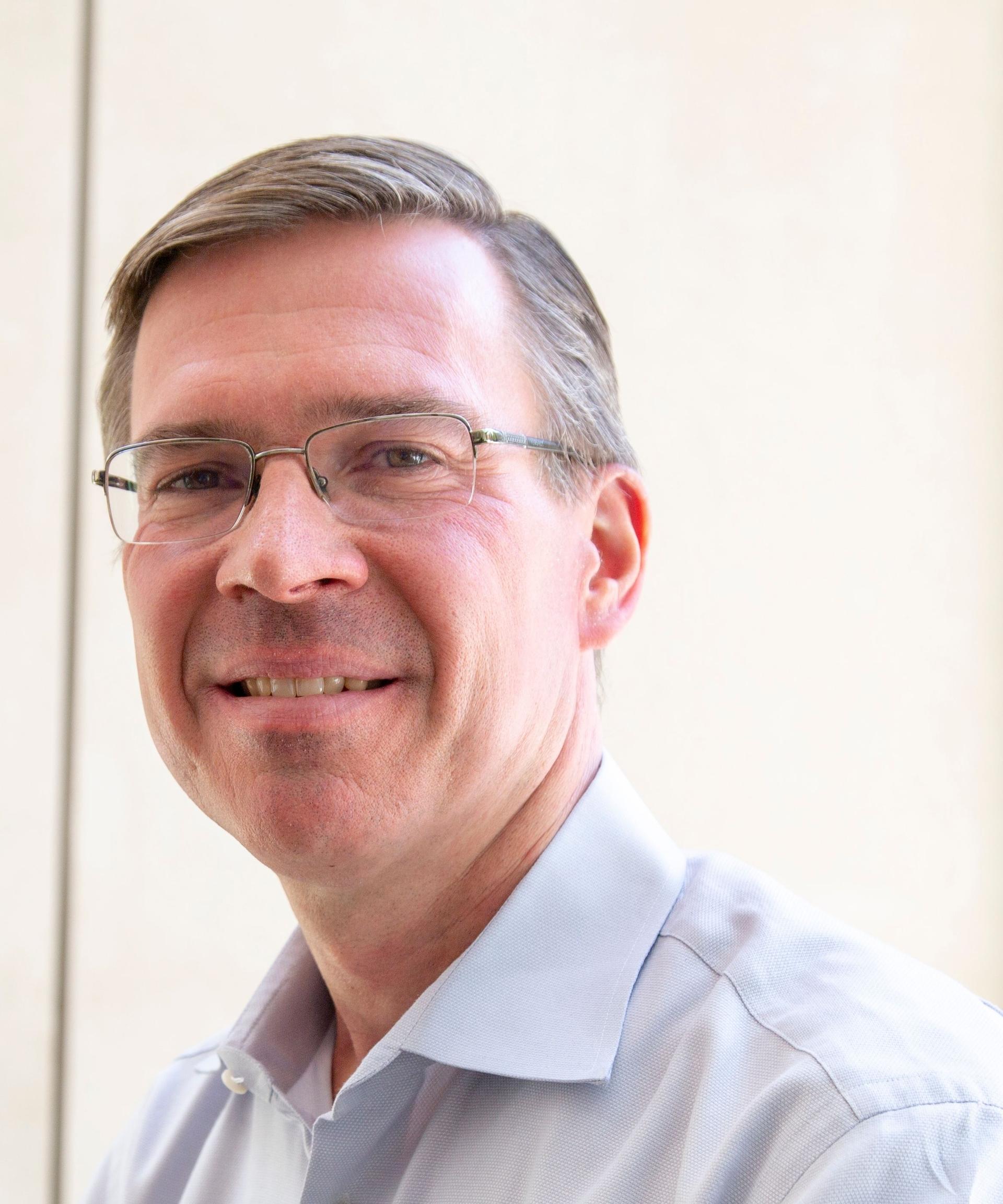
Tariffs, sanctions, permits, great-power rivalry, and local politics can change a company’s costs and strategy as fast as currency markets do. Witold Henisz is the Wharton professor who built the index scholars use to measure political risk, then spent his career helping companies act on it. He shows audiences where it will hit, what it will cost, who needs to be at the table, and where it opens an opportunity others have priced out.
Henisz studies how politics hits your P&L. Not just elections and headlines, but tariffs, sanctions, great-power rivalry, stalled permits, and local grievances that shape sourcing, pricing, hiring, and reputation. Companies map the outside world into customers, suppliers, and regulators. But people in those roles see themselves first as members of a neighborhood, a trade, or a town, and they have organized along those lines since long before the company arrived. What sets people against a project is almost never the size of the check a company brings. It is how the benefits are split: who gets the jobs and the contracts, and who lives with the dust and the water table. Get that split wrong and a company becomes a target instead of a welcome guest.
He learned that lesson in Argentina. He was studying how contracts and regulators protect an investment, but the people he interviewed kept telling him he was asking the wrong question. Then the pots started banging in the street, and his interviews turned into conversations about which fights were still running. One of his interviewees pointed up the road that leads to the presidential palace and told him what happens when five thousand people march down it. The contract no longer matters. Neither does the regulator. The whole job, Henisz was told, is making sure they never assemble, long before anyone needs a flight plan.
Most political analysis stops at the read: here is what is happening, and here is what may happen next. Henisz is a political analyst and a business school professor in the same person, so the read is where he starts. He translates political events into consequences for a company’s costs, markets, investments, and strategies. Audiences leave with a lens rather than a briefing.
In a study of 26 gold mines, financial markets were discounting the gold these firms controlled by 72 percent. Henisz showed that accounting for their relationships with governments and communities cut that discount by more than half. Stronger relationships made projects more likely to stay on schedule and on budget, and let companies capture more of what their assets were worth. The same work cuts the other way and turns up opportunity. When a crude country-risk score rules out an attractive market, Henisz shows a company its real exposure, its relationships, and what it can manage. A market the company had written off comes back into play.
Henisz created a political risk index used by thousands of scholars worldwide. With the people who run EY’s geostrategy practice, he co-authored a guide on integrating political risk into corporate strategy and decision-making. Companies, asset managers, and development institutions hire him to do this work, and he worked earlier at the International Monetary Fund. He is Vice Dean and Faculty Director of Wharton’s Impact, Value, and Sustainable Business Initiative, where he examines which political-risk and sustainability investments create value, and which do not. He has received seven Wharton teaching awards in eight years. He opens a session by asking the room how much time it wants to spend with government officials, hears the usual answer of zero, then shows what that answer costs.
WHY AUDIENCES WILL BE BETTER OFF
- Audiences walk out able to name the political risks that can reach their costs and growth this year, and to say who has to act before risk becomes loss.
- Attendees leave able to challenge a country-risk score that is quietly closing off markets worth having.
- Planning teams leave able to say where their current strategy breaks across the futures that are actually plausible, and what to shore up first.
- Project teams leave knowing the people who can speed up or stall their next investment, and fund those relationships now rather than lawyers later.
- Companies and investors leave able to tell the sustainability work that protects or creates value from the work that only checks a box.
Witold Henisz’s Speech Topics
Managing Political Risk When Nobody Can Predict the Next Six Months
Politics can hit a company’s costs, prices, supply chains, hiring, and reputation in the same quarter. Yet most companies leave political risk management to the government affairs office, which controls none of those things. Henisz does not forecast, because he does not think anyone reliably can, and he says so from the stage. What he teaches instead is the practical method he developed with EY’s geostrategy practice: scan for political risk, connect it to revenue and cost lines, then move in small steps to get the right people working on it together. Attendees leave able to name the risks that matter, estimate their potential costs, and decide who needs to act.
License to Operate: Earning the Support That Gets Your Project Built
A project can have the financing, the technology, and every required permit, and still lose a year to protests, lawsuits, or a council vote. What matters is how the benefits and burdens get split: who gets the jobs and contracts, who pays more for power or water, and who lives with the disruption. The data center buildout is facing just such a moment today. Henisz walks a room through the mistakes that cost earlier managers billions of dollars, and the career risk that comes with repeating them. Attendees leave with a practical way to map the relationships that will decide their next project. They also leave with a new standard: not fires put out, but sparks kept from becoming fires.
Country Risk, Repriced: Finding Growth Where Your Model Says No
Not all of this work is about avoiding danger. Many companies price country risk using a crude shortcut: they take the difference between a country’s bond yield and the U.S. Treasury yield and add it to the cost of every investment there as a risk premium. In one case, that calculation ruled out markets where the company already operated successfully. Henisz showed the finance team how its partners, relationships, and risk controls changed its actual exposure, and markets it had rejected came back into play. Attendees leave able to challenge their own country-risk numbers and distinguish genuine danger from opportunity killed by a spreadsheet.
The World in 2040: Stress-Testing the Strategy You Have Now
The forecasts a company runs on are usually built for steady growth, cooperation, and increasingly open markets. Since 2010, the world has been moving in the opposite direction. Drawing on scenario work from Shell, the Economist Intelligence Unit, and EY, Henisz has taken audiences through several plausible futures, including supply disruptions that last years rather than weeks. He does not ask them to predict the future. He asks whether their current strategy can survive across them, especially the ones that feel most plausible. He jokingly calls it a Doctor Doom exercise. The point is not pessimism; it is to expose optimistic assumptions while there is still time to act. Attendees leave with a clear view of where their own strategy breaks across those futures, and what to shore up first.
Sustainable Investing After the Backlash: What Still Creates Value
The sustainability conversation collapsed into a political fight before anyone answered the central question: Does any of this actually affect returns? Henisz runs the Wharton initiative built around that question, and his answer starts by throwing out sprawling checklists, with their three hundred questions and simplistic good-or-bad scoring. Instead, he shows how a company’s effects on people, places, and the environment can cost it money, through a lawsuit, a regulator, or a customer who walks away. But the same effects can also create value. He updates the session every quarter as the evidence and markets change, and what he brings is analysis rather than advocacy. Attendees leave able to tell sustainability strategies for their project, company, or portfolio that protect or create value from those that merely check a box.
What other organizations say about Witold Henisz
Your keynote was truly inspiring and insightful.
Business Conferences / Audiences
Bring This Speaker to Your Stage
Tell us about your event and our team will confirm availability and fees right away.