Rachel Reeves
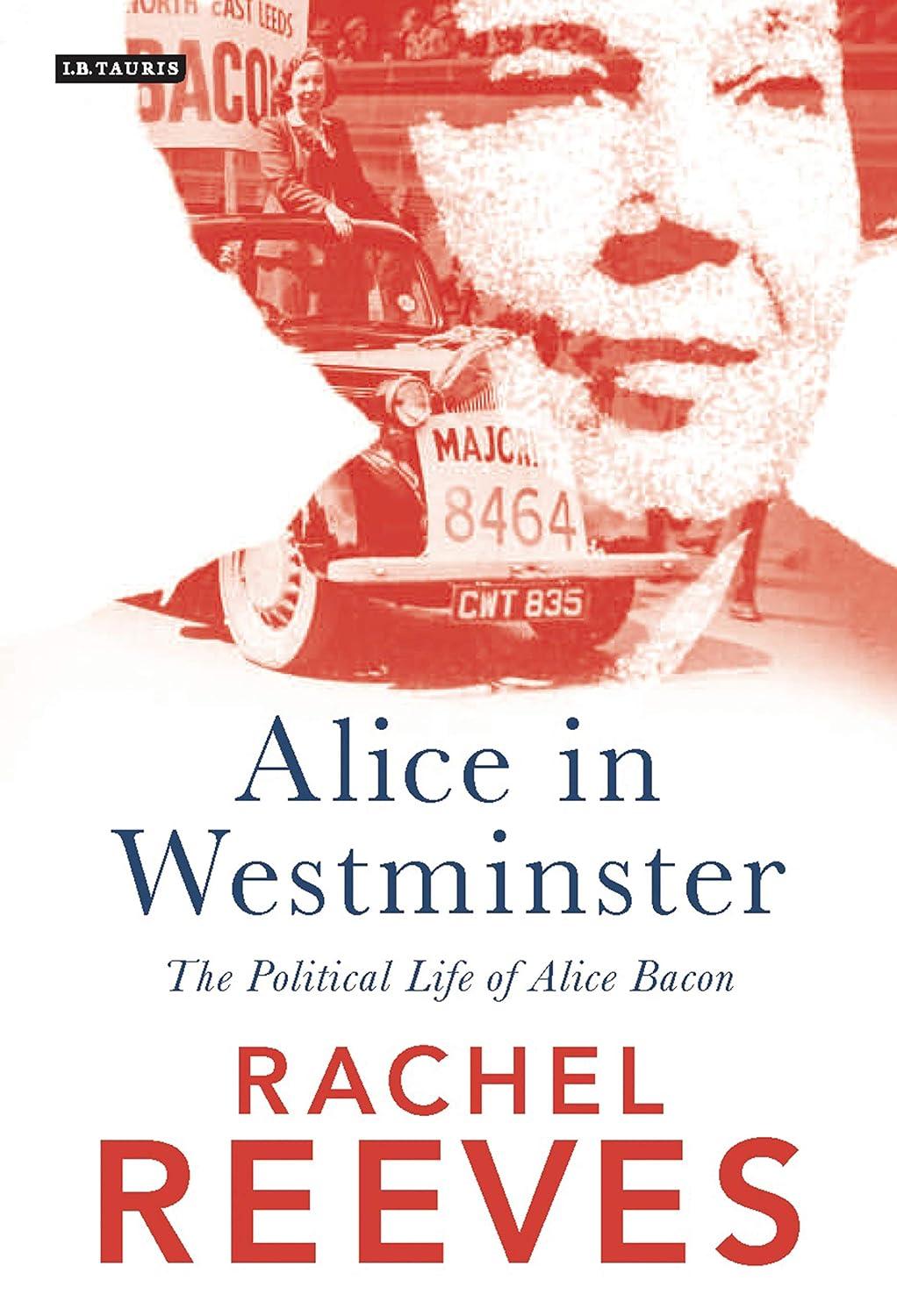
Former Chancellor of the Exchequer; Former Bank of England Economist; Author of Alice in Westminster, Women of Westminster, and The Women Who Made Modern Economics

The first ever woman to hold the position of Chancellor of the Exchequer, Rachel’s time in government saw her tackle some of the world’s greatest policy challenges and deal with the impact of global economic turbulence from her office in No11 Downing Street. Rachel speaks with over a decade of experience as a leading politician and thinker in the U.K. and candidly shines a light on what it is like to run a G7 economy in the modern world.
As the first woman to run the UK economy, Rachel brings first-hand experience of economic leadership at the highest level of government, helping audiences understand the forces shaping growth, investment, trade, and geopolitics. She began her career as an economist and was swiftly billed as a rising star upon entering politics, going on to transform the Labour Party’s economic credibility ahead of its landslide victory in 2024. Her historic occupation of No11 Downing Street saw her build a reputation as an “Iron Chancellor”, pursuing a clear growth strategy of fiscal stability, radical supply-side reform, and record public capital investment. With a reduced budget deficit and rising productivity, the economy went from one of economic underperformance to becoming the fastest growth economy in the G7. Rachel’s time in office was also distinguished by deftly navigating trade and energy price shocks from the ongoing conflict in Ukraine and new conflicts in the Middle East.
Rachel’s approach to economic management draws upon “securonomics”, a term coined by Rachel to encapsulate the need to build economic growth and resilience in an age of economic uncertainty and turbulence.
Featured Videos

Rachel Reeves
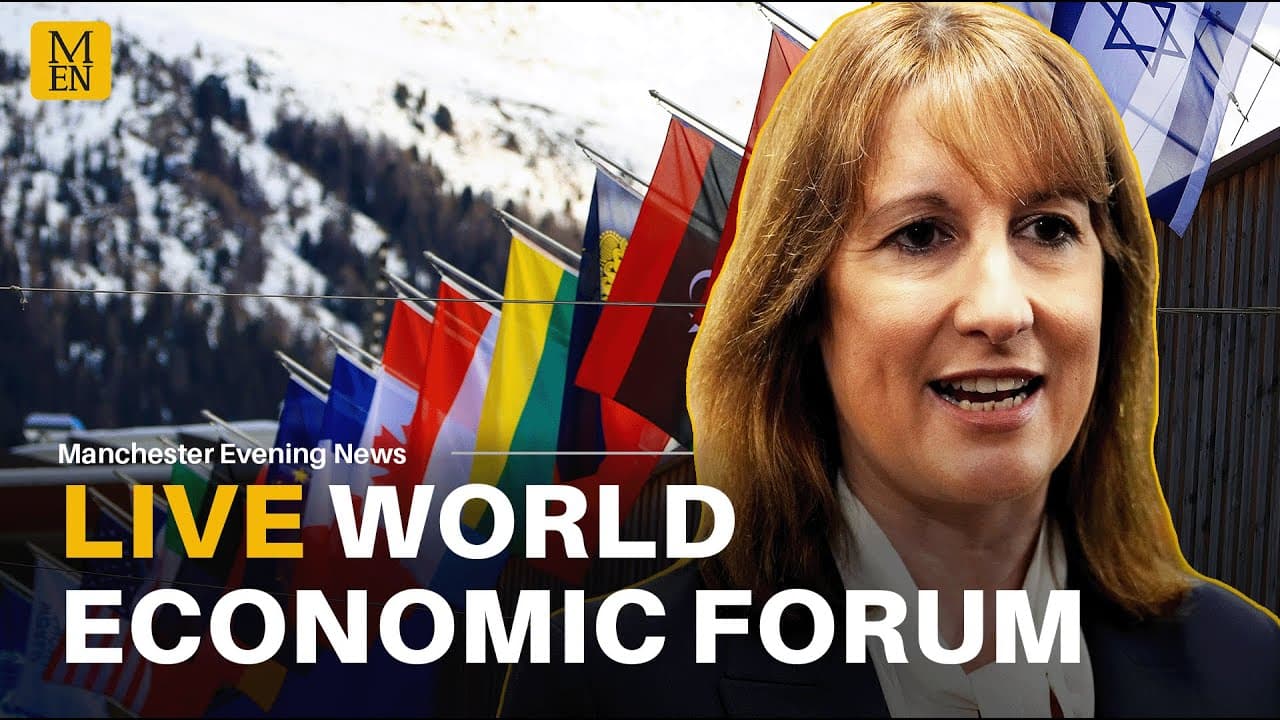
World Economic Forum
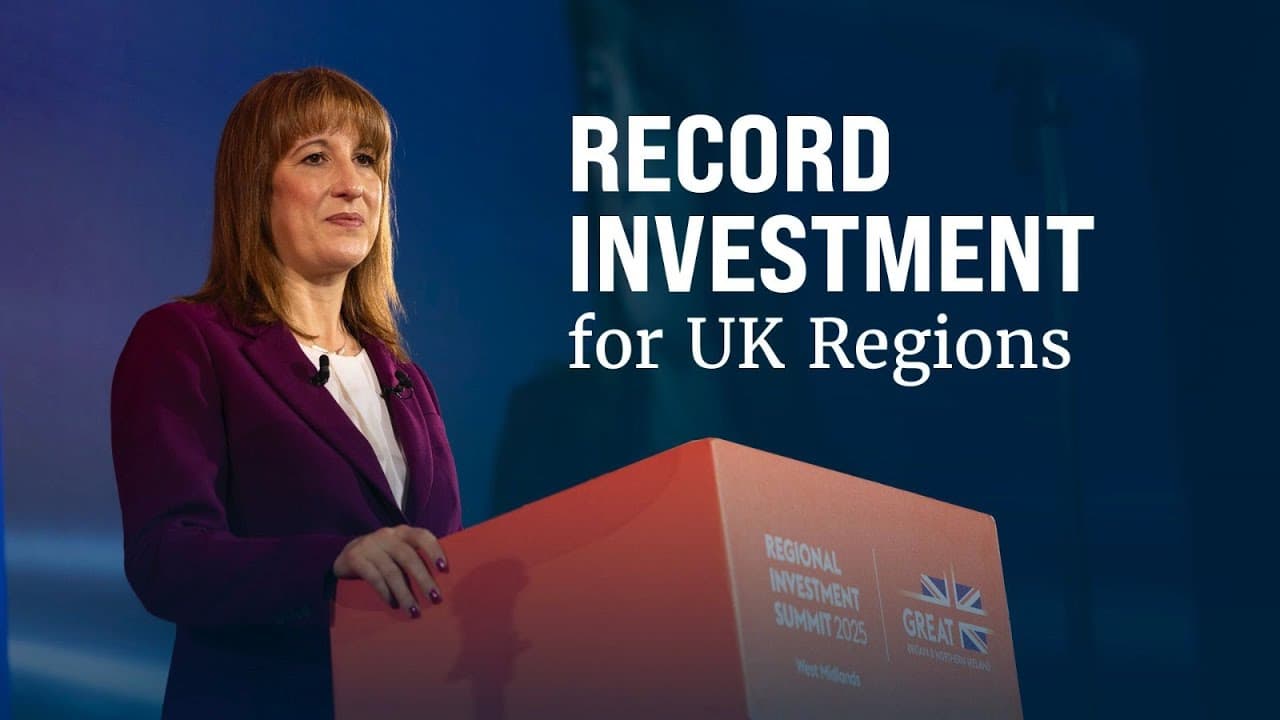

Rachel Reeves’s Speech Topics
The UK's Place in a Changing Global Economy
During her tenure as Chancellor, Reeves oversaw strengthened trade relations with key partners, reforms to encourage inward investment, and a resilience-first "securonomics" approach which found immediate relevance with the conflict in the Middle East. The UK now faces deep questions about where its economic strengths lie and who its friends are, in a world of rapid technological change and shifting geopolitical alignments. Reeves gives her candid views on how the UK can best position itself with respect to the US, Europe and beyond.
Reflections on Running a G7 Economy
Reeves defined her “securonomics” approach as delivering resilience and growth in an age of insecurity. The challenges she inherited are common to many other G7 economies: high debt, low productivity, struggling public services, restrictive regulation, and an increasingly populist political landscape. Today’s geopolitical uncertainty and rapid technological change puts further pressure on traditional approaches to political economy. Reeves shares her candid reflections on the opportunities and challenges available to advanced economies.
Managing the Public Finances and Growing the Economy
Reeves inherited a high-debt economy still counting the cost of the financial crisis, Brexit, Covid-19, and a decade and a half of sluggish growth. Reeves sets out the choices she made to prioritise fiscal discipline while pursuing a pro-growth rewiring of the economy, built around the pillars of stability, investment and reform; and looks ahead to the challenges facing advanced economies across the world.
How to Run and Grow an Economy
As the UK’s first female Chancellor, Rachel Reeves navigated tight fiscal constraints and global turbulence to achieve the highest growth in the G7 by the end of her tenure. Reeves gives a behind-the-scenes view of tackling head-on Britain’s challenges with low productivity, underinvestment, struggling public services, high debt, restrictive planning rules, and regional inequality, with a focus on investment and productivity policies.
Reducing Trade Barriers and Improving Investment Flows Globally
Reeves’s tenure as Chancellor saw her oversee landmark deals with the United States, Gulf Cooperation Council, and India, and paved the way for closer relations with the European Union. Under her economic leadership the UK also drew in record-breaking international investment commitments, launched the National Wealth Fund to crowd-in private investment, and offered certainty through strong fiscal discipline and a Corporation Tax Roadmap. Reeves sets out the importance of reduced trade barriers and increased investment flows for growth and for working people, alongside prioritising resilience and fairness.
Securonomics: Driving Growth and Resilience in An Age of Insecurity
Reeves steered the UK’s economy through turbulence from conflicts in Ukraine and the Middle East, but perhaps more importantly laid the groundwork for a more resilient economy. In today’s world of geopolitical instability and technological change, there is no viable growth strategy without resilience in the national economy and security for working people. Reeves sets out her securonomics approach, including an active and strategic state, resilience in key sectors and supply chains, broad-based growth, and fiscal discipline.
Works by Rachel Reeves
Rachel Reeves
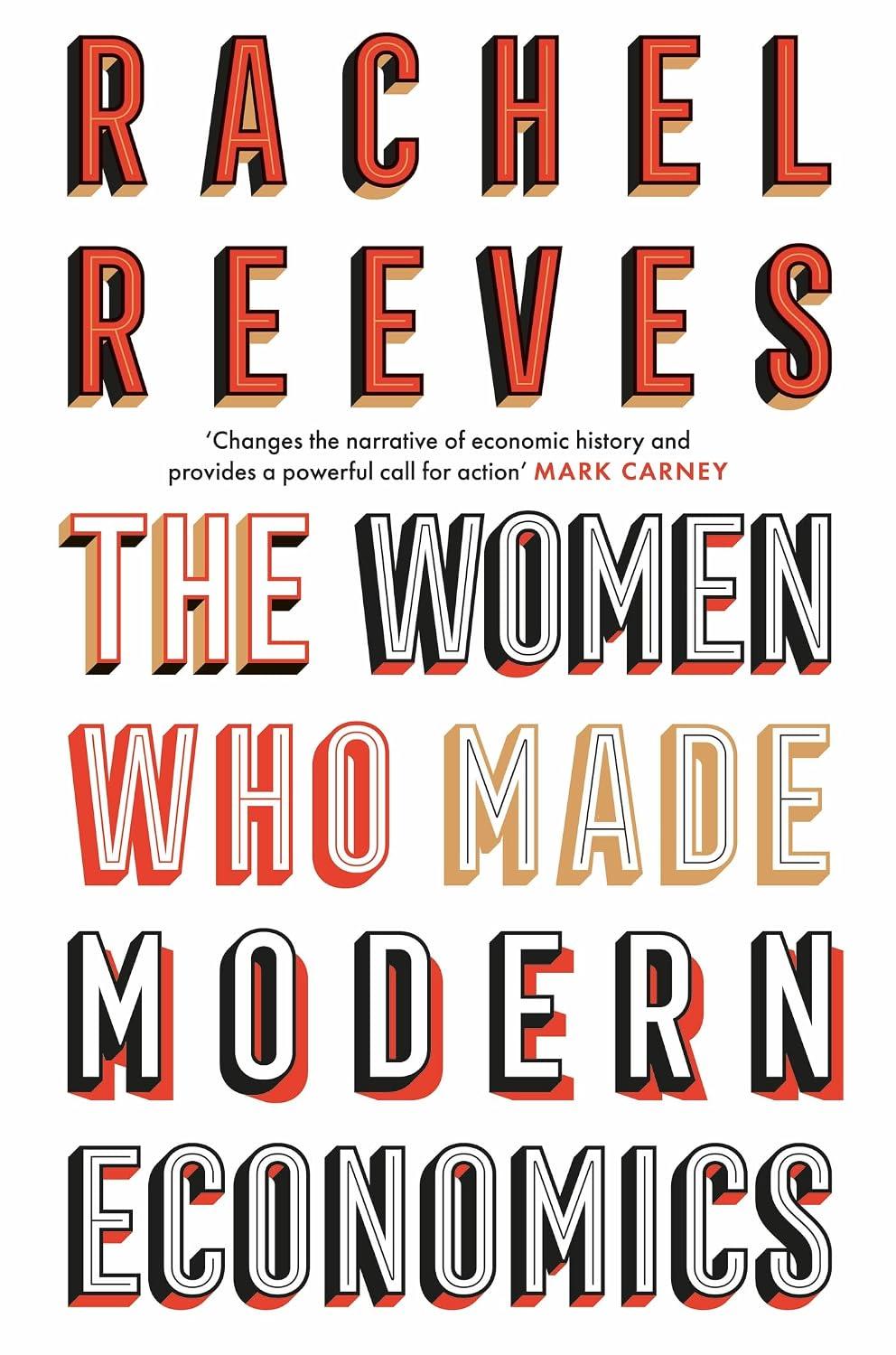
The Women Who Made Modern Economics
Rachel Reeves
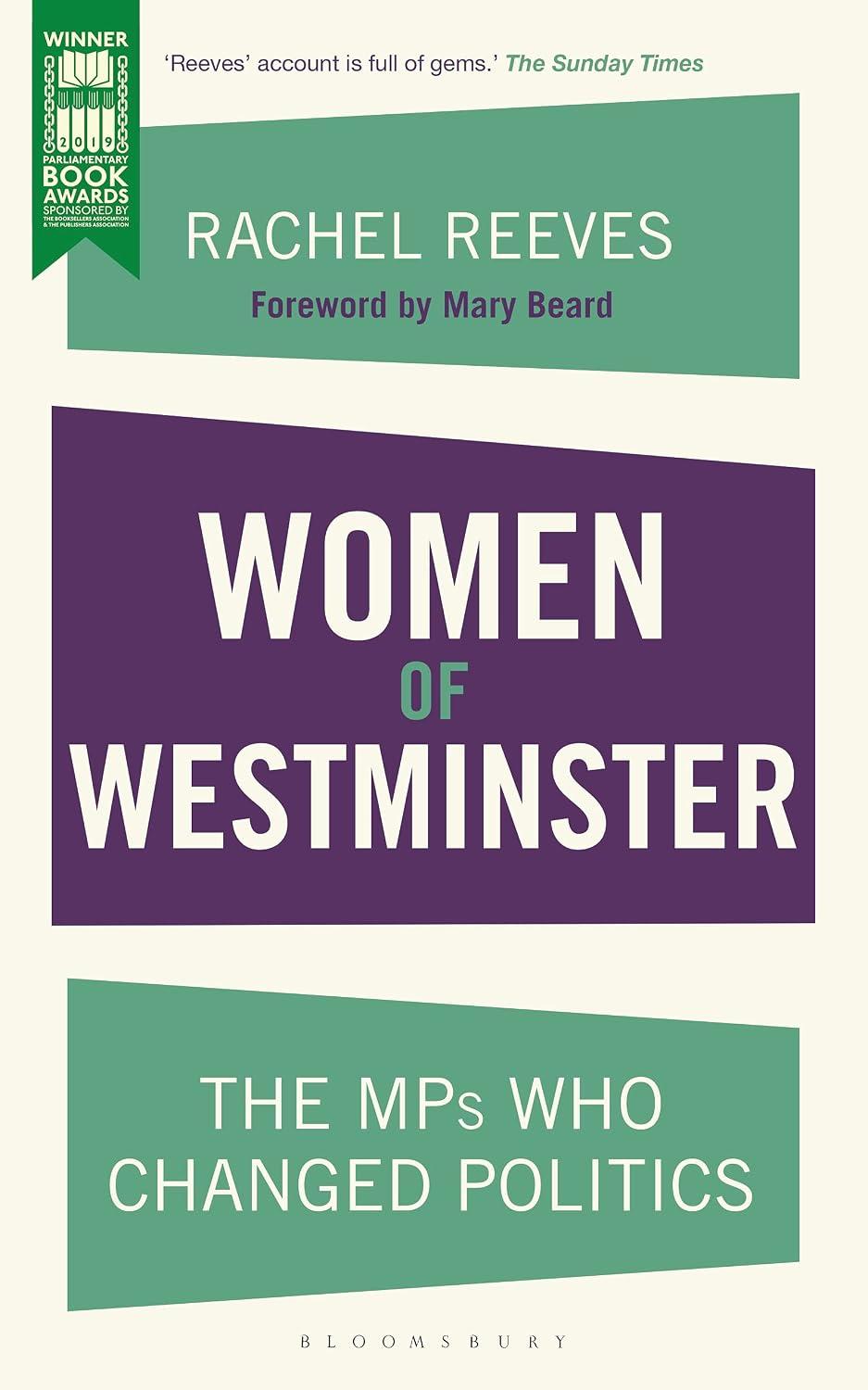
Women of Westminster: The MPs who Changed Politics
As an Amazon Associate WSB earns from qualifying purchases.
Rachel Reeves Topics & Types
Bring This Speaker to Your Stage
Tell us about your event and our team will confirm availability and fees right away.