Peter Cappelli
Partnership with Wharton Business School
George W. Taylor Professor of Management, The Wharton School; Director, Wharton Center for Human Resources

Many organizations are making costly staffing decisions around AI before they know what it will do to the work. Peter Cappelli, whom Fortune calls Wharton’s great contrarian, has spent four decades studying how employers hire and manage people, and he finds AI changes tasks long before it changes headcount. He shows audiences which hiring, training, and staffing decisions to make this year, and which can wait.
Organizations are deciding how many people they will need before they know what AI will do to the work. Peter Cappelli directs Wharton’s Center for Human Resources and has spent four decades studying how employers hire and manage people. Fortune calls him “Wharton’s great contrarian,” though he calls himself a skeptic. He checks big claims about work against what employers actually do. He takes AI seriously and hosted a season of Wharton’s podcast Where AI Works. He is a regular participant in the CEO Academy and McKinsey’s CEO events, and he won Wharton’s executive MBA teaching award six times.
His finding is that AI changes tasks long before it changes headcount. One reason is arithmetic: if AI takes over the report writing that fills 20 percent of a school principal’s time, he writes, the school still needs the whole principal. Another is that AI’s work still has to be checked, and someone has to handle the problems it cannot solve. The gains that could mean fewer workers come much later, he writes.
One operation he studied, in a case published in Harvard Business Review, put AI to work processing insurance claims. At first the AI cost three times as much as the employees doing the work, and getting it running took a six-person team a year. Headcount fell from 44 to 39, and the operation expects productivity to triple. Most of the staff stayed because, in his words, “lots of problems have to be chased down.” “It’s hugely expensive to do this,” he says. “And this was a success.” Breaking jobs into tasks, he says, has to be done with the employees, “because the employees really do know how their job is done.”
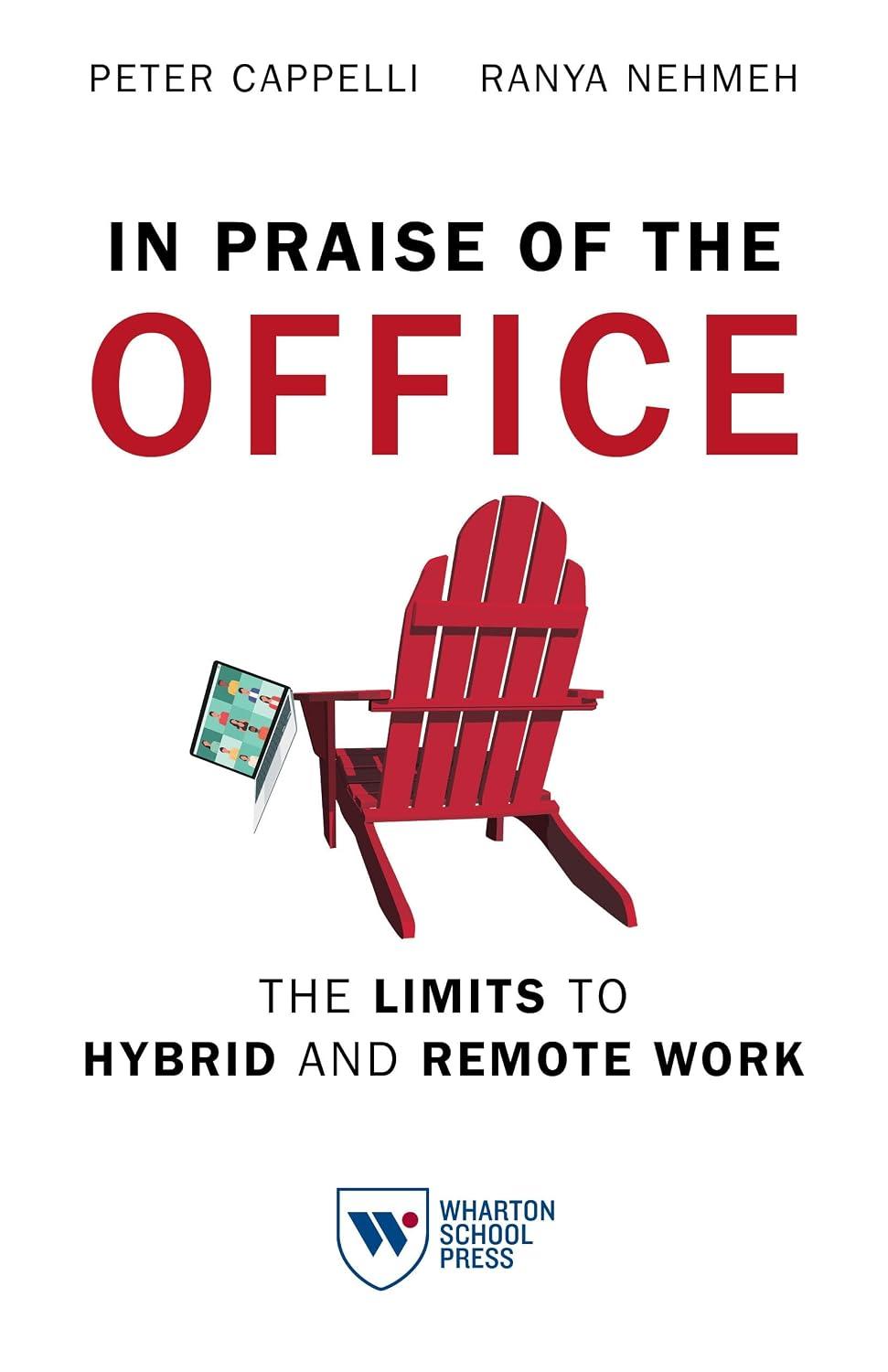
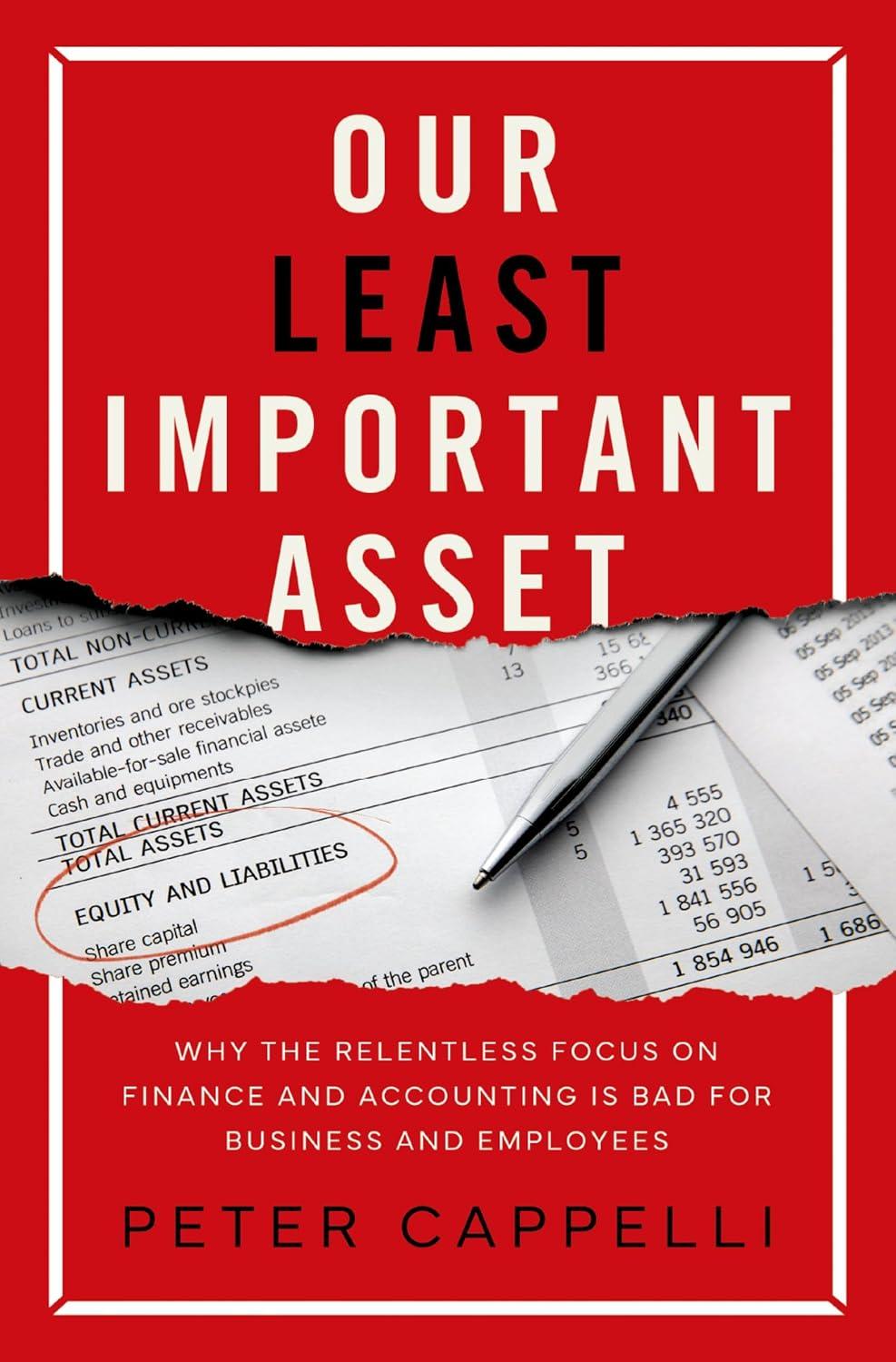
AI is the newest claim about work he has tested. Older claims about hiring, layoffs, the office, and generations still drive costly decisions. His book Our Least Important Asset shows why companies manage people so poorly: accounting counts them only as a cost, and practices such as layoffs are associated with worse financial results. Only about a third of U.S. companies say they check whether their hires work out, he reported in 2019. In Praise of the Office, his book with Ranya Nehmeh, sets rules that keep hybrid teams working. A 2020 National Academies report found generational labels unsupported by research.
WHY AUDIENCES WILL BE BETTER OFF
- Audiences leave able to sort their hiring, training, and staffing decisions into the ones to make this year and the ones that can wait.
- Audiences leave ready to sit down with the people who do a job, decide task by task what AI takes over, and plan for the money and time it requires.
- Audiences leave ready to measure what layoffs, hiring mistakes, turnover, and open roles cost the business, and to make the case for fixing each one.
- Audiences leave able to set clear rules that keep hybrid teams collaborating and keep new hires from falling through the cracks.
- Audiences leave able to drop workforce worries the evidence does not support, from generational differences to skills shortages, and focus on what they can control.
Peter Cappelli’s Speech Topics
The Future of Work in the Age of AI: What Is Real, What Is Hype, and What to Do Now
Headlines promise that AI will erase jobs. Peter Cappelli has a long record of testing such predictions against what actually happens. His examples run from today’s AI numbers back to the forecast that truck drivers would be obsolete as soon as 2019. He explains why AI takes over parts of a job and leaves the person in it, and where real productivity gains are emerging. Audiences leave knowing which changes deserve action now and which can wait.
AI Adoption That Pays Off: What It Costs, How Long It Takes, and What Happens to the Jobs
What does an AI rollout cost, how long does it take, and how many jobs does it change? Cappelli draws on rollouts he has studied and on his interviews with the people running AI programs at large companies. In one claims-processing operation, the tools at first cost three times as much as the staff. Getting the system running took a year, and most of the jobs stayed in place. Audiences leave with a realistic budget of the time, money, and people an AI rollout takes.
Why We Manage People So Poorly, and What It Costs the Business: Hiring, Turnover, and Layoffs
Many common practices in corporate life, from cost-cutting layoffs to hiring for speed, are associated with worse financial results for the business. Drawing on his book Our Least Important Asset, Cappelli shows why accounting treats people only as a cost and keeps the cost of those practices hidden. Employers that track hiring tend to measure speed and cost, and most do not check whether the hire succeeded. He also shows what AI actually does in recruiting today, and why developing people from within often beats outside hiring. Audiences leave ready to replace costly habits with practices that pay, and to make a case the finance team will accept.
Hybrid and Remote Work That Works: Protecting Culture, Collaboration, and Your Newest Hires
Hybrid work promised the best of both worlds, yet in many organizations it has weakened collaboration and culture. Cappelli, coauthor of In Praise of the Office and the Harvard Business Review article "Hybrid Still Isn’t Working", explains why. When people chase their own targets from a distance, shared work goes undone, beginning with helping new hires learn the job. He lays out the clear rules and performance measures that fix the problem, whatever model an organization keeps. Audiences leave able to make their arrangement work rather than keep debating it.
What You Don’t Need to Worry About: The Workforce Fears the Evidence Doesn’t Support
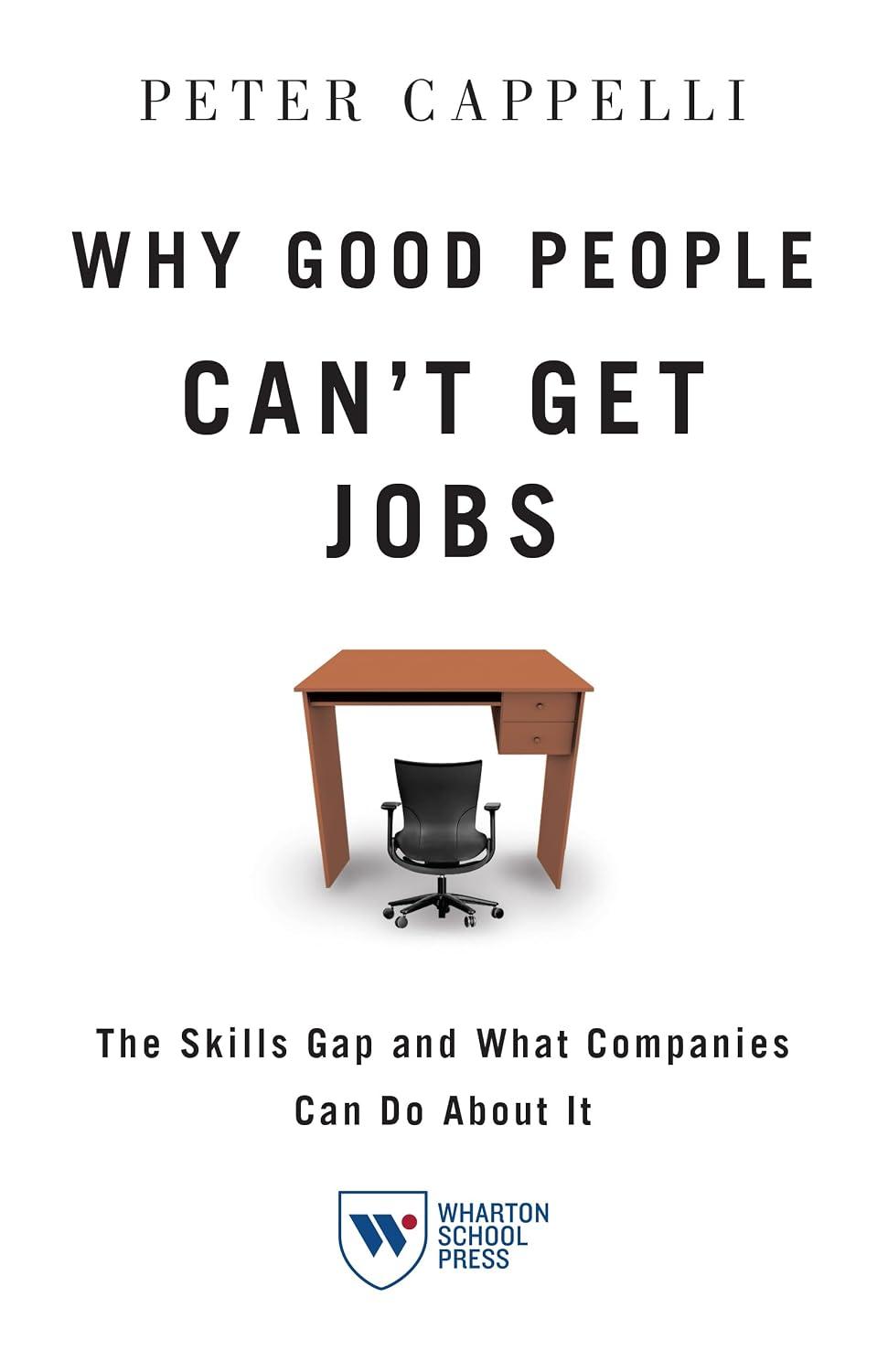
Generational differences, a shortage of STEM skills, a shrinking workforce: each one drives management advice and spending. Cappelli shows audiences why none of them deserves the worry it gets, in a talk he has given to a McKinsey group of CEOs. A 2020 National Academies report found generational labels are not supported by research, and his book Why Good People Can’t Get Jobs challenged the skills-gap claim. He then turns to what employers can control: how they hire, develop, and deploy people at every career stage. Audiences leave able to drop the worries the evidence doesn’t support and put their effort where it pays.
What other organizations say about Peter Cappelli
Grounded in reality and evidence.
Business Conferences / Audiences
Featured News
Works by Peter Cappelli
As an Amazon Associate WSB earns from qualifying purchases.
Bring This Speaker to Your Stage
Tell us about your event and our team will confirm availability and fees right away.