Michael Platt
Partnership with Wharton Business School
James S. Riepe University Professor, University of Pennsylvania; Director, Wharton Neuroscience Initiative; Co-founder of four companies, including Cogwear
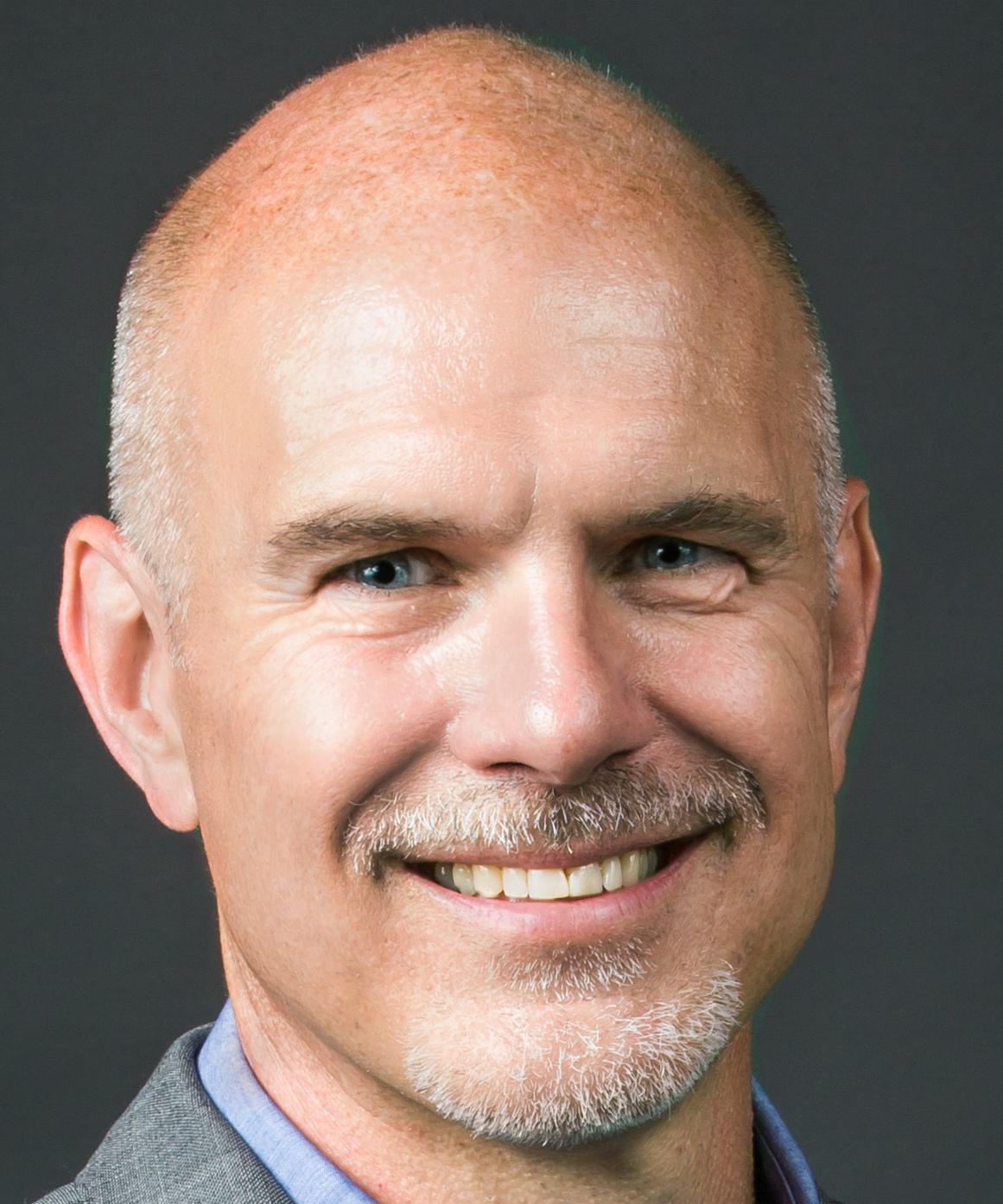
Michael Platt shows organizations how pressure changes the way their people think, and how to turn that pressure into sharper decisions, stronger teams, and steadier performance. A scientist who studies how people decide and work together, he has also co-founded four companies. PwC, Microsoft, NASA, and NFL and NBA teams bring him in, and as AI takes on more of the work, he shows which human strengths matter most.
Pressure changes the way people think: how they weigh risks, how they read each other, and how well they perform. Michael Platt has spent nearly three decades measuring those changes and turning them into moves organizations can use. An anthropologist and neuroscientist, he helped pioneer neuroeconomics, the science of how the brain decides what something is worth. He has published more than 300 articles and secured more than $80 million in research funding. He directs the Wharton Neuroscience Initiative and is one of a select group of Penn professors appointed across schools: Wharton, medicine, and psychology. He has also co-founded four companies.
When people feel close, their brain activity begins to sync, and in his research that alignment tracks with trust and cooperation. Platt did not leave that finding in the lab. His team built a wearable headband that measures the sync in live conversations, working teams, and full audiences. Cogwear, one of the companies he co-founded, brought it to market. The soft stuff, it turns out, is hardware.
His most striking evidence came from a disaster. For nearly two decades, he and his collaborators have studied a colony of monkeys on an island off Puerto Rico. When Hurricane Maria stripped the island of shade, the monkeys grew more tolerant, not less, and shared what shade remained. Before the storm, getting along made no measurable difference to survival. After it, monkeys with more friends were 42 percent less likely to die, in a study published in Science. The authors liken that edge to what social support does for people. His conclusion: stop fighting human wiring and design around it.
Organizations are already designing around it. He and Wharton colleague Elizabeth Johnson helped write PwC’s guidance for better board decisions, starting with structured pauses for reflection. He has been on the road with PwC presenting it. With the consulting firm Slalom, his team tested a change any organization can try Monday. Ten-minute breaks between meetings increased brain signals associated with lower stress and creative thinking.
Organizations across industries call on him to sharpen decisions, strengthen teams, and help people perform under pressure. They range from Deloitte, KPMG, and Vanguard to Microsoft’s Work Lab, Abbott, the McKinsey Health Institute, and Starbucks. The relationships last. PwC, Fox Media, Slalom, and the Cleveland Guardians have each brought him in for keynotes, workshops, and consulting. NFL and NBA teams work with him on performance under pressure. NASA, federal judges, and school superintendents have brought him in on decisions and teamwork when the stakes are high. He advises the United Nations Strategic Planning Network, has spoken at the World Economic Forum in Davos, and has appeared on PBS and Huberman Lab.
As AI takes over routine work, the human skills it struggles to replace become the ones that set organizations apart. A chatbot can mirror your words, he notes, but real connection runs on faces, voices, and timing. The updated 2025 edition of his book The Leader’s Brain makes that case in a new chapter on AI. His next book, on staying clear-headed and connected under pressure, arrives in 2027. His keynotes pair hard data with stories from the island, the locker room, and the boardroom, and can include a live exercise that shows how fast trust forms. Beyond keynotes, he leads workshops, advises organizations, and runs an interactive session, Coaching for Connection.
WHY AUDIENCES WILL BE BETTER OFF
- Audiences leave able to keep their own stress from spreading, so people speak up and problems surface while they are still small.
- Audiences leave able to decide which human abilities to invest in as AI takes on routine work, and which tasks to hand to technology.
- Audiences leave with practical, research-backed ways to build trust and lift team performance, in person and on screens.
- Audiences leave making decisions differently, because they can see the shortcuts their brains take and catch the ones that betray them.
- Audiences leave able to build recovery into the workday, protect their best thinking, and sustain high performance through demanding stretches.
Featured Videos
Michael Platt
Speaker Reel
Michael Platt’s Speech Topics
Stress Is Contagious. So Is Calm: How to Lead So Your Best People Speak Up and Stay
His research shows people prioritize signals from those in charge and tend to mirror them, stress included. In practice, a tense leader can end up hearing fewer ideas, fewer early warnings, and eventually resignations, especially when trust is already thin after a reorganization or a hard year. Platt shows how calm spreads the same way, starting with simple moves like a pause before a hard conversation. Audiences leave able to steady themselves, make it safe to raise bad news, and keep their best people.
The Human Advantage: What to Double Down On in the Age of AI
AI was supposed to free people for more human work, yet many are working harder, juggling more tools than ever. Platt shows which human abilities gain value as machines take on the routine, from judgment to reading a room. Like muscles, those abilities weaken without use, so he shows how to design work that keeps them strong. Audiences leave with a clear map of what to protect, what to hand to technology, and where to invest first.
Wired to Connect: The Science of Trust and High-Performing Teams
Teams that click are not just lucky. When people feel close, their brain activity begins to align, and research, including his own studies of Penn rowing crews and consulting teams, links that alignment to trust and cooperation. In a study he co-authored, heart-rate synchrony predicted which groups reached the right answer. He shows what builds connection and what quietly erodes it. Audiences leave with practical ways to build trust and lift team performance, in person and on screens.
Your Brain Under Pressure: The Science of Better Decisions
When the stakes rise, the brain leans harder on shortcuts, because it runs on a tight energy budget. His lab tracked people’s eyes and found they look longer at what they could lose, and that the extra looking predicts whether they take the bet. Drawing on The Leader’s Brain, Platt shows how to design decisions, meetings, and environments that work with the brain instead of against it. Audiences leave catching their own worst shortcuts and making big calls with a clearer head.
The Science of Resilience: Peak Performance Lessons from Sport and Survival
What does real resilience look like when everything breaks at once? He studies survival at its rawest: a hurricane that turned a research island into a desert, where the monkeys that leaned on each other survived best. A lifelong athlete himself, he has worked on performance with the Philadelphia Eagles, the Cleveland Guardians, the Atlanta Hawks, and Premier League club Coventry City. At Penn, he has worked with athletes for years, including on a long-term concussion study. Audiences leave with practical habits for pressure, burnout, and recovery they can start the next morning.
Coaching for Connection: The Neuroscience of Trust and Lasting Change
Great coaching changes more than minds, Platt argues. It changes how two nervous systems work together, as they fall into sync and steady each other. First built for the International Coaching Federation, this interactive session pairs participants for Fast Friends, a validated relationship-building exercise he and colleagues adapted for executive education. They feel how fast trust forms, then learn what the brain’s social wiring means for feedback, motivation, and lasting change. It works in person or online, and participants leave with a framework for their next coaching conversation, team meeting, or workshop.
What other organizations say about Michael Platt
Michael Platt’s research and its application in business were mind-blowing. He showed our audience how thoughtful questions can help us connect with individuals regardless of culture or age.
Health Care
Featured News
PBS
Brain Synchrony: The Secret to Better Teamwork
1 June, 2026
Works by Michael Platt
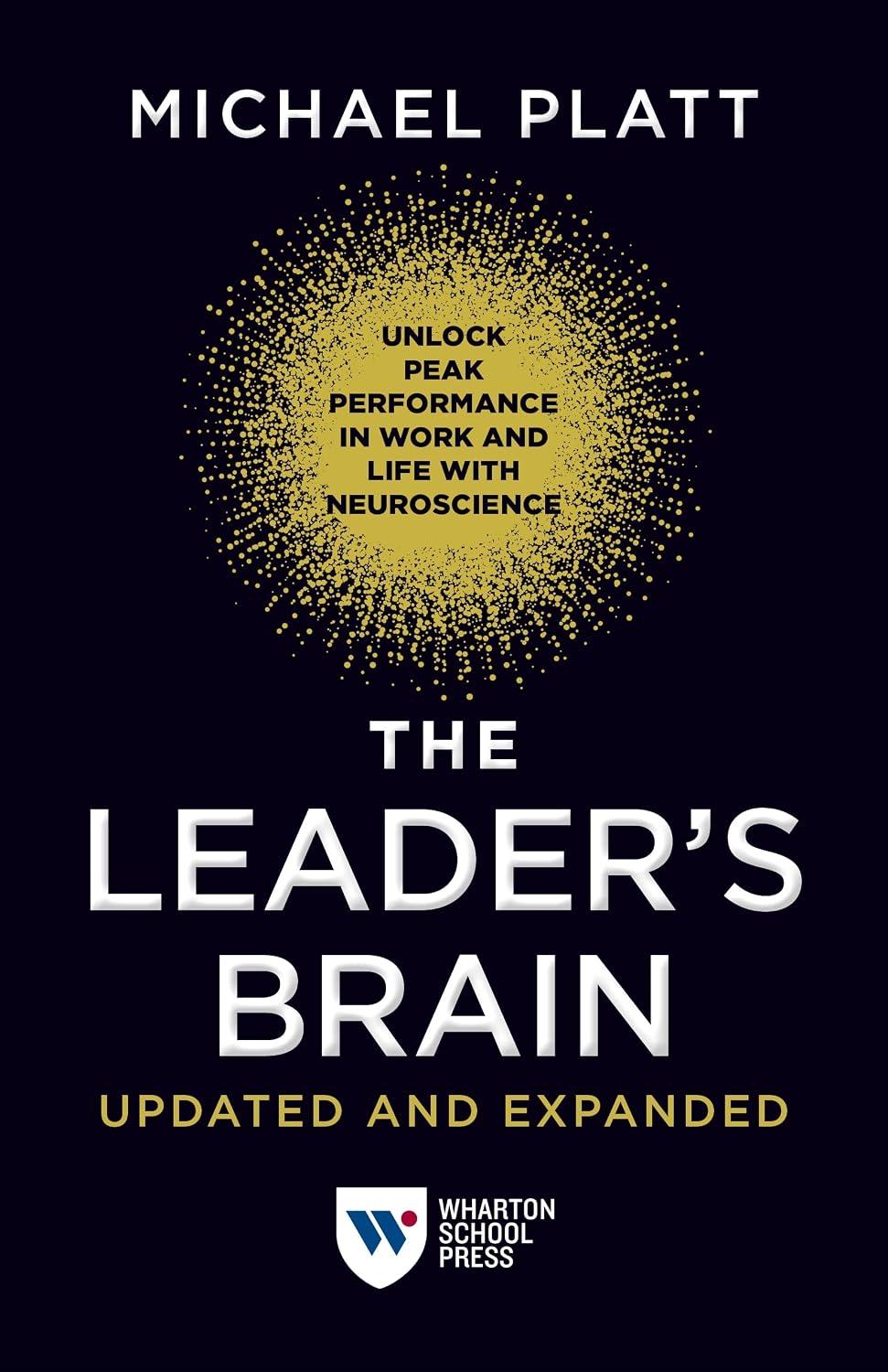
As an Amazon Associate WSB earns from qualifying purchases.
Bring This Speaker to Your Stage
Tell us about your event and our team will confirm availability and fees right away.