Mauro Guillén
Partnership with Wharton Business School
William H. Wurster Professor of Multinational Management, The Wharton School; Former Dean, Cambridge Judge Business School; Author of 2030


Where to put the next bet. Which market to stop feeding. Who your customer will be in ten years. Mauro Guillén gets brought in to answer those questions, and answered them himself running a business school. He works from public data already sitting in plain sight. Who is being born, who is aging, who is moving, and who will have money to spend. Audiences leave able to say which of their markets will grow, which are quietly going away, and how many quarters they have before it hits the numbers.
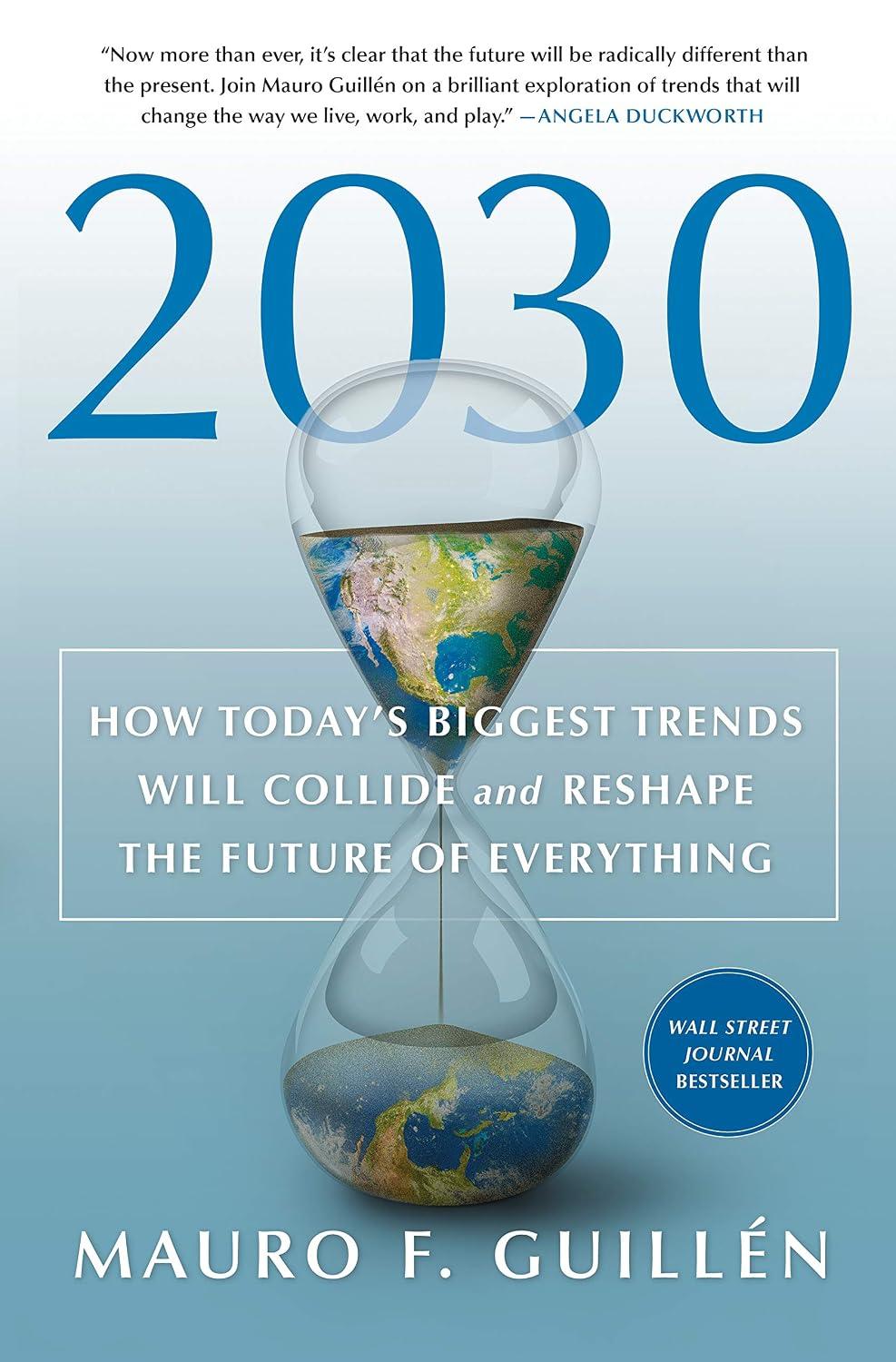
Guillén says the only thing he got wrong about the world in 2030 was the speed of shifting trends. He put that year on the cover of a book in 2020. It became an instant Wall Street Journal bestseller, a Financial Times Book of the Year, and now runs in fifteen languages. He had expected populations to start shrinking in absolute terms after 2030. It is already happening across East Asia, Eastern Europe, and Southern Europe, immigration included. The year on the cover is the commitment, and it is why an audience can check him rather than take him on faith.
Running Cambridge Judge Business School meant doing the work his audiences do. He forecast demand, priced new programs, defended a budget, and carried several hundred people who depended on his calls. He has been on both sides of a forecast, the side that produces it and the side that has to bet on it. Consulting work and years of interviews with senior managers have put him inside other companies, which is why his trends arrive attached to decisions rather than slides. He also rebuilt his own operation around AI, going from as many as 45 research assistants to none. The skill he had to learn is the one he calls the hard part, asking the right questions.
A trend presentation usually runs one shift per slide, and the thing that actually moves a business happens between two of them. China's birth rate shapes its savings rate, which shapes how much American debt China holds, which shapes what an American company pays to borrow. Audiences do not see that coming, and then they do. He is writing a book on how to do it deliberately, called Lateral Thinking.
He has also run Wharton's MBA Program for Executives, which turns fifty this year. He has spent his working life in front of people who run things. His global trends presentation has been a permanent feature of more than fifty Wharton executive education programs a year. The material has been tested on experienced audiences hundreds of times before it reaches any stage. More than a hundred thousand people have taken his online courses, which is evidence he can make this clear at scale without thinning it. Wharton MBA students voted to nominate him for a teaching award, a different signal from a research prize.
His analysis runs in The New York Times, The Wall Street Journal, The Economist, and The Financial Times, and he takes the same questions on CNBC and CNN. Roughly 40 percent of his speaking happens outside the United States, and Spain's King Felipe VI knighted him for his work across borders. An international room is not new ground for him.
WHY AUDIENCES WILL BE BETTER OFF
- Audiences leave able to tell a structural break from a news cycle, and to stop re-planning every time the headlines move.
- Audiences leave able to connect two things their own company tracks separately, and to see the opportunity sitting between them.
- Audiences leave able to decide which markets to keep funding and which to harvest.
- Audiences leave able to put a number on the spending power their advertising is skipping.
- Audiences leave with something to measure instead of birth year, and a segment their old categories were hiding.
- Audiences leave able to find the people their development plans skip, at both ends of a career.
- Audiences leave able to test their AI plans against what is happening to their customers and their labor pool, not just their software.
Featured Videos


Mauro Guillén
The Three Megatrends Reshaping the Global Workforce
Mauro Guillén’s Speech Topics
Follow the Babies, Follow the Money: Demographics, Emerging Markets, and Where Growth Moves Next
Guillén maps where people are being born, where they are aging, and where they are moving, then follows the money those people will have. The answer runs two ways at once: growth is moving toward emerging markets, and inside a given market it is moving up the age curve. He builds three or four jolts into the hour, because in his words a room needs one before it starts thinking. One is the currency call. He predicted the world would end up with more currencies than countries, and it happened, though not as anyone assumed. Bitcoin became an investment asset class rather than a payment method. The payoff is a map of where growth is going, by region and by age, that a planning committee can actually defend.
What Actually Changes After a Shock: Tariffs, Supply Chains, and Geopolitical Risk
When the pandemic hit, Guillén built a course on its business consequences in a matter of weeks and roughly 2,400 students enrolled. He has kept at that work since, including a study of how airlines rebuilt strategy after two shocks landed back to back, the financial crisis and the pandemic. He reads tariffs, sanctions, and political risk the same way, separating what is genuinely reversing in global trade from what is simply rerouting. The two call for different responses and get confused constantly. The takeaway is a working test for telling a structural break from a passing one.
What AI Does to Your Customers and Your Workforce
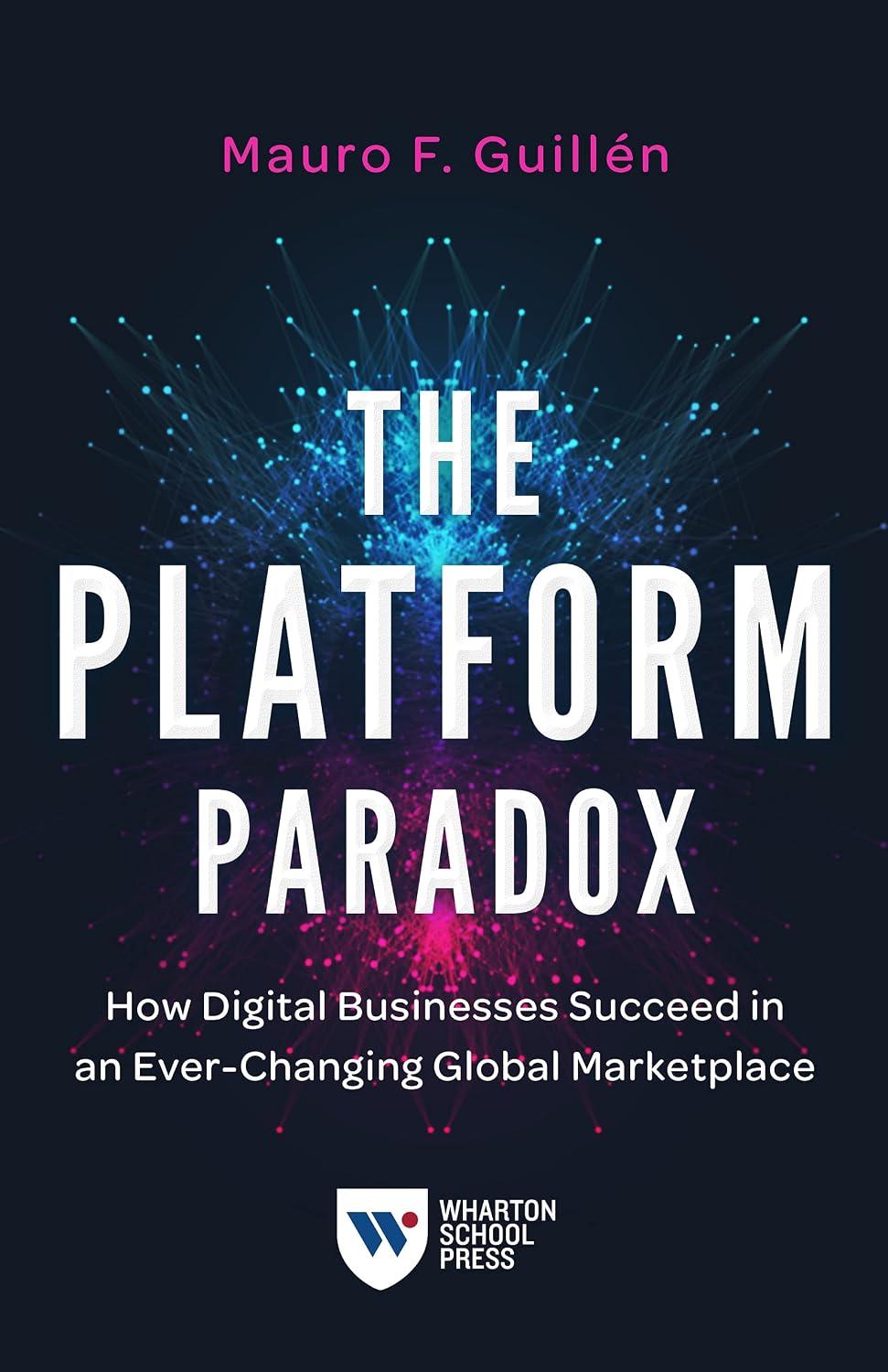
Guillén does not give an AI talk. He runs AI through his own questions instead, which is the version a company planning past next quarter can use. Does AI raise birth rates or lower them? Does it extend what an aging workforce can do, or displace it? What does it do to purchasing power in the markets a company counts on for growth? He added this because clients asked for it, and the argument is not new for him. The Platform Paradox, his 2021 book, is about digital businesses that scale beautifully in theory and run into demographics, regulation, and local preference in practice. Attendees walk out with a harder set of questions for their own AI plan, aimed at their customers and their workforce rather than their software.
Your Customer Turned Sixty: Consumer Trends, Generations, and Where the Money Actually Is
The largest consumer segment in the world is becoming people over sixty, and the crossover is right about now. Guillén points out that most brands still aim their advertising at people in their thirties and forties. Fixing that is harder than spotting it, because an older customer rejects anything that signals it was built for old people. He also attacks the categories themselves, because generations, in his words, exist only in our imagination. Two women born the same year can live entirely different lives. One finished graduate school and had a first child at thirty-one; the other finished high school and had four children starting at eighteen. Their birth year predicts nothing about either of them, and companies now hold real-time behavioral data that predicts plenty. He has made this case for years to Estée Lauder, and says someone in the room still starts talking about millennials. The payoff is a name for the customer the advertising keeps missing, and the signals worth reading instead of birth year.
Longevity and the Multigenerational Workforce: Getting More From the People You Already Have
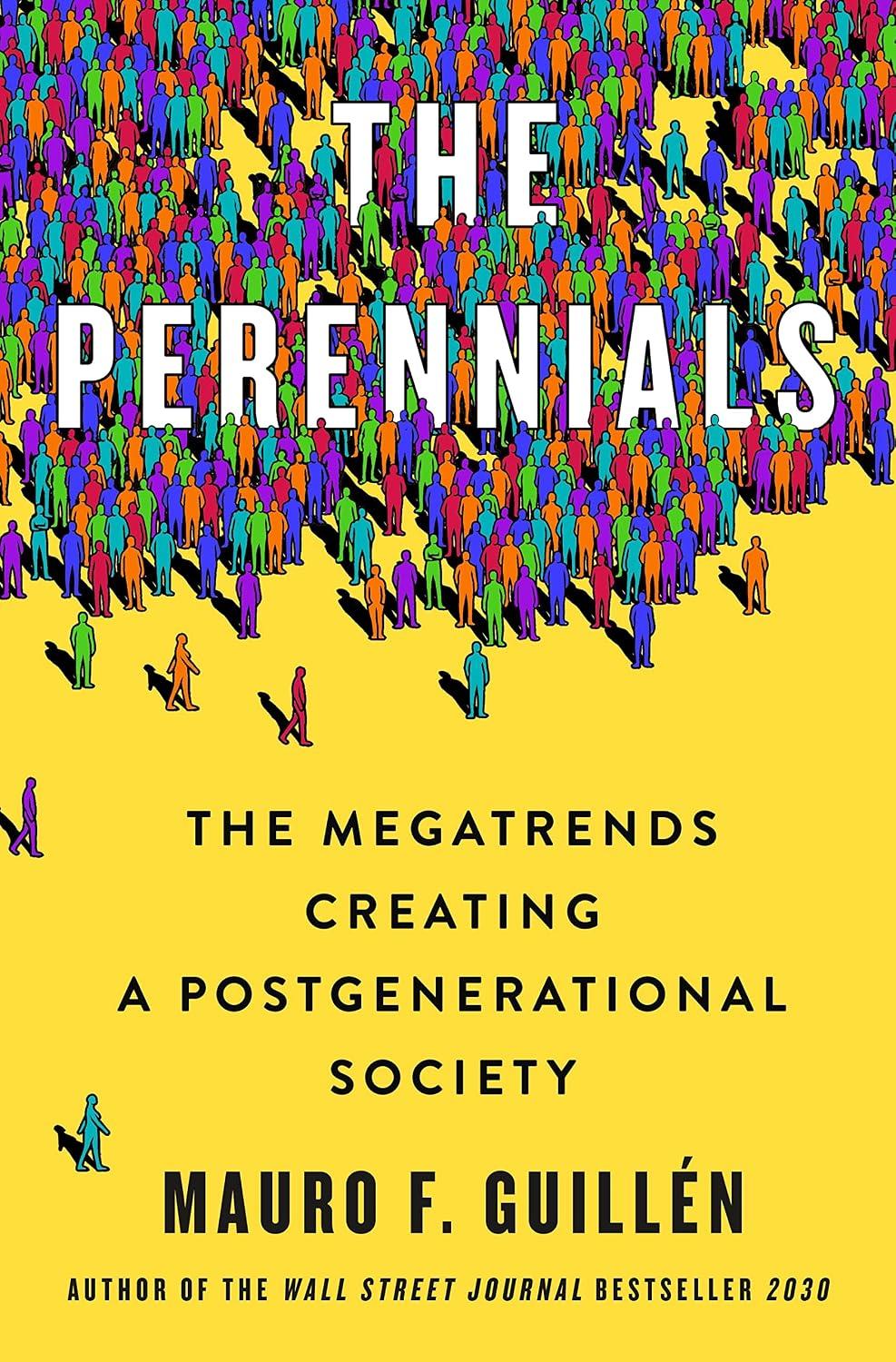
A career model assumes a sequence: school, then work, then retirement. In The Perennials, Guillén takes that sequence apart, because people now live and stay sharp long past the point where that model made sense. His argument is that a skill set will go obsolete inside a single career, more than once. The answer is going back to school rather than aging out of relevance. He names what the old assumptions leave on the table: the older worker written off, the younger one not trusted yet, and the person whose strongest years arrive late. The payoff is a list of the people their development plans skip, and an argument for training that would reach them.
Lateral Thinking: Finding the Opportunity Among Multiple Trends You Already Track
A company tracks its trends in separate departments, and the thing worth knowing sits between several of them. Guillén has spent a career making those connections. One study tracked more than 20,000 managers across 980 organizations in 36 countries to examine how leadership behavior changed in response to the 2008 financial crisis. The answer reversed what he expected. His forthcoming book, Lateral Thinking: The Art and Science of Connecting the Dots, turns the habit into a method. He not only shows the connections; he makes the room attempt them, which is what turns an hour into a skill. The payoff is a shortlist of multiple-trend connections a company is not tracking, and a repeatable way to keep finding more.
What other organizations say about Mauro Guillén
Professor Guillén is a master at explaining how business leaders should interpret and navigate complex economic and global events. His presentation at Google's International Growth Summit was the highest-rated.
Technology
Featured News
Forbes India
Life Is Not A Series Of Linear Stages Defined By Age: Mauro F Guillen
3 January, 2024
Works by Mauro Guillén
As an Amazon Associate WSB earns from qualifying purchases.
Bring This Speaker to Your Stage
Tell us about your event and our team will confirm availability and fees right away.