David Maimon
Professor of Criminal Justice and Criminology, Georgia State University; Head of Fraud Insights, SentiLink
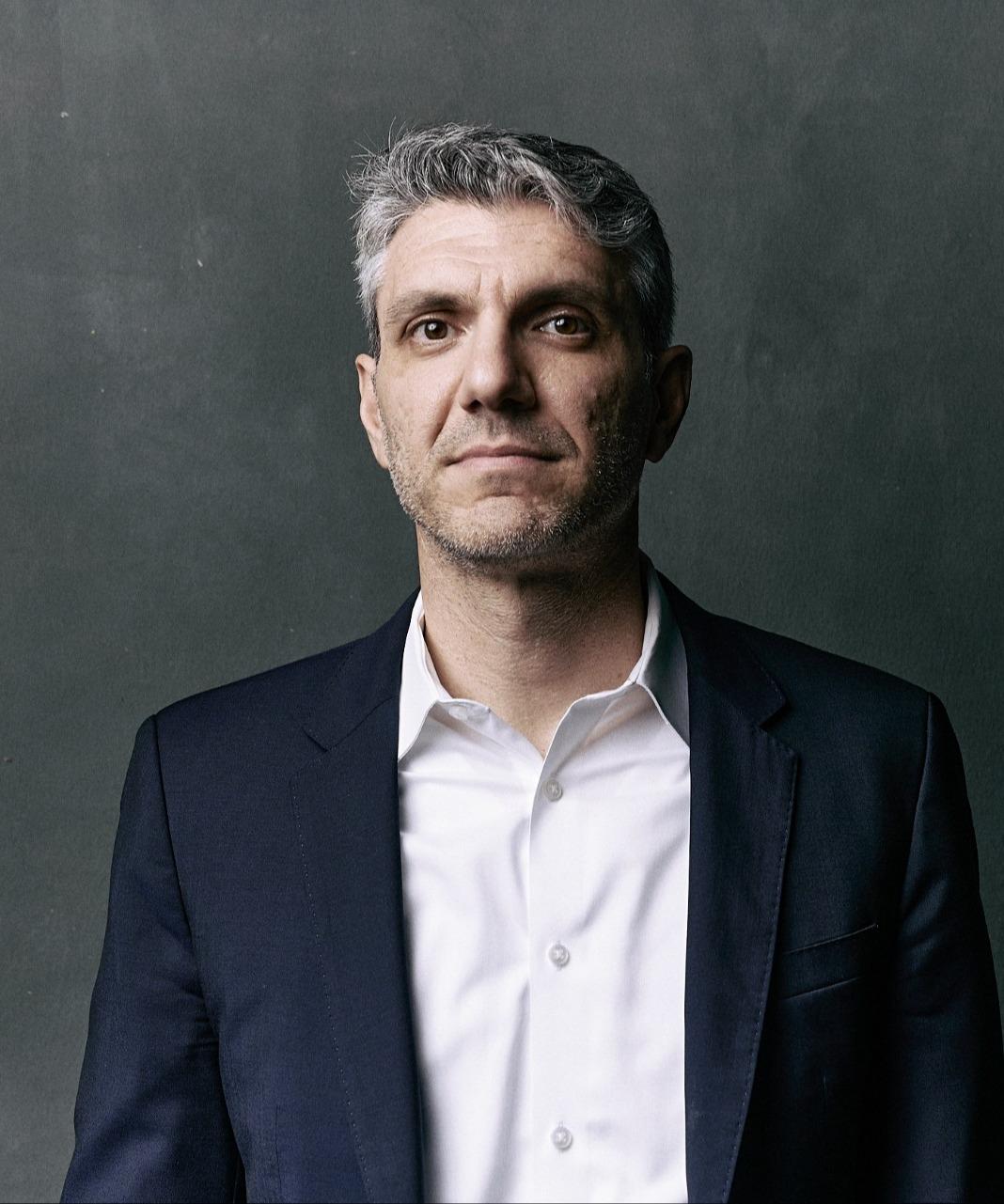
Criminals now sell each other stolen identities, hacked company inboxes, and AI fraud tools in online markets, complete with price lists and customer reviews. David Maimon has spent years inside those markets, and he shows audiences what is coming their way in the criminals’ own posts and videos. Organizations bring him in so their employees and customers can recognize the next scheme while the money is still theirs.
In October 2026, David Maimon went knocking on apartment doors in Miami Beach with CBS News. He had picked out the two buildings from identity data. Their addresses kept turning up on account applications at banks and lenders, filed under stolen names. A fraud ring had used those names to register dozens of businesses and draw credit. The people whose names were taken no longer live in the United States, and Maimon says fraudsters prize identities like theirs because victims abroad rarely notice. Standing there, he could see one reason the ring chose them. Until recently, both were short-term rentals, where nobody keeps track of who comes and goes.
When a fraudster brags online that he can beat a bank’s identity screening, Maimon is in a position to test it. He is a professor at Georgia State University, and his research team there has worked for years inside the darknet markets and encrypted chats where fraud is traded. The team also studies which defenses actually stop it. As Head of Fraud Insights at SentiLink, an identity verification company with more than 500 partners in finance and government, he can compare what fraudsters say with SentiLink’s own data. In July 2026, he testified before a House Oversight subcommittee on emerging fraud threats.
Fraud has become an industry, with criminals trading skills and training along with stolen data and learning from each other’s successes. He calls it crime as a service. In his House testimony, he warned that AI is accelerating these threats. For a research project, his team got an invitation to one criminal chatbot and paid the $200 fee. In testing, it explained how to get past the screening banks run when someone opens an account, and it wrote ransomware on request. “It’s mind-boggling just to see it,” he says. From Telegram groups, he has also collected videos of romance scammers wearing deepfaked faces on calls with their victims.
In mid-2021, his team watched stolen checks flood the markets, and the count climbed from about 120 a week to several thousand. He traced the surge to thieves raiding U.S. Postal Service collection boxes and started warning the public that year, then published his findings in early 2022. The Treasury Department issued a nationwide alert on the scheme in February 2023.
Soon after, criminals retaliated by posting his Social Security number and home address on an underground forum. Within weeks his identity had been used to open six bank accounts, and the attempts kept coming for two more years.
Beyond banking, he has tracked rings that hijack business email to redirect payments, and companies that bill health care programs while barely existing. Clients often ask him to focus on one threat, and he builds the talk around it. He brings the fraudsters’ chats and videos, plus photos he took in the field. “Seeing all that with your own eyes,” as he puts it, “simply opens up your understanding of why these guys are so successful.”
WHY AUDIENCES WILL BE BETTER OFF
- Audiences leave able to recognize a fraud scheme while criminals are still advertising it.
- Audiences leave with firsthand exposure to the online fraud supply chain: how fraudsters operate, connect, and turn stolen information into profit.
- Audiences leave knowing to hang up and call a known number whenever a payment change or a familiar voice comes with pressure to act fast.
- Audiences leave with a clear picture of how a fraud ring would go after their organization, and where to stop the attack.
- Audiences leave able to tell which of their defenses deter criminals and which ones criminals have already learned to beat.
- Audiences leave with steps they can take the same day to protect their own identity and their family’s.
David Maimon’s Speech Topics
Inside the Dark Web: What Criminals Are Selling, and Who They Are Targeting Next
Maimon puts the criminals’ own screens in front of the room. Attendees see the ads for stolen identities and hijacked bank accounts, with prices and money-back guarantees attached. They meet the rippers, scammers who cheat other fraudsters. Then he turns to the targets the sellers discuss and shows which ones resemble the people and organizations in the audience.
The Fraud Economy: How Criminal Networks Run Like Businesses
Fraud rings split the work the way any business does. In check fraud, one crew steals the mail, another washes the checks, and someone else supplies the bank accounts to cash them. Maimon has followed chains like this online and in person. Along the way, the same stolen identity often gets reused for a bank account, a tax refund, and a student aid claim. He helps the room find the point in that chain where their own organization can stop it.
The Dark Side of AI: How Criminals Are Using It Right Now
Maimon walks through how fraudsters use AI, often in videos the criminals made themselves. Websites turn out fake passports and driver’s licenses on demand, and face-swapping software holds up on a live video call. Voice bots phone victims and ask for the one-time passcode their bank just sent. He also covers what AI still struggles to fake, such as the years of history behind a real person. Attendees learn which identity checks AI already beats, and what to trust instead.
Invoice Scams and Hijacked Accounts: Stopping the Fraud That Hits Businesses
The invoice comes from a real vendor’s real email account. Only the bank details are new. Fraudsters get there by taking over the vendor’s inbox and reading its invoices for months before they strike. A second scheme lures bank customers onto fake login pages, and the stolen accounts are then sold in bulk. Maimon explains how both are traded and taught online, and what his research suggests about which defenses work. When several Canadian banks required two-factor authentication, his team found far fewer accounts from those banks for sale. Teams leave knowing the warning signs of both schemes and which protections are worth the money.
Identity Theft and Scams: How to Protect Yourself, Your Family, and Your Customers
Maimon’s own identity was stolen in 2022, and criminals kept trying to use it for two more years. Fraud rings look for people who will not notice, such as older adults or former students and workers who have left the country. A CBS News investigation in Los Angeles, built on his analysis, found one such victim living near Amsterdam. A bank had sued the man for more than $45,000 in charges he says he never made. Maimon also explains what a credit freeze does and does not cover. It will not, for example, stop a criminal from opening a bank account in someone else’s name. Everyone leaves with a short list of protections to set up the same day, at home and at work.
David Maimon Topics & Types
Bring This Speaker to Your Stage
Tell us about your event and our team will confirm availability and fees right away.