Celeb Shot
Your Event Deserves More Than a Talking Head: Why the Keynote Must Evolve
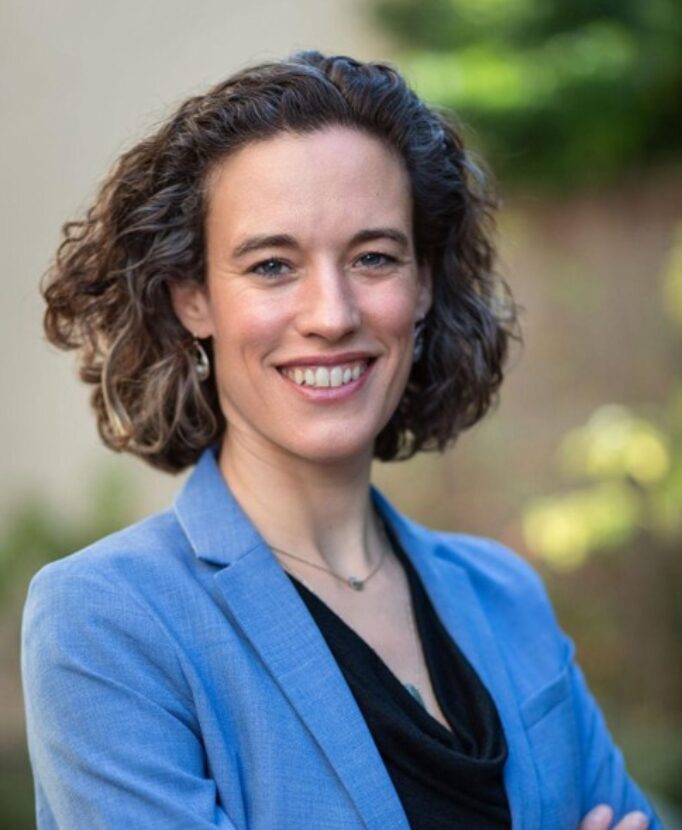
In an age of constant content, what we remember is not information; it’s the experience of transformation. Psychologist and speaker Dr. Elizabeth Markle explores why traditional keynotes are falling short, and how event organizers can design high-impact experiences that stay with audiences long after the applause.
You’ve curated the speakers. Designed the stage. Set the lights, printed the lanyards, and cued the music. The keynote begins.
Ten minutes later, half the room is quietly checking email.
It’s not a failure of content or intention. It’s not that the speaker lacks brilliance or charisma. And it’s not that people don’t care. It’s that we’re in a new moment, a cultural, cognitive, and emotional shift that’s reshaping what we need from live events.
We’ve left the age of information and entered the age of experience.
Today’s audiences don’t come to conferences, summits, or retreats for what they could Google (or ask ChatGPT). They come for what they can feel: something that breaks through the noise and connects to their values, their purpose, and each other. Information is still part of the equation, but it’s no longer the main event.
As a psychologist, speaker, and co-founder of Open Source Wellness, I’ve spent the past decade designing experiences that support real human transformation. In healthcare, we learned that information alone doesn’t change behavior. You can tell someone a thousand times to eat better, move more, or manage stress, but until they feel profoundly seen, supported, and engaged at the level of their identity, values, and lived experience, very little shifts. It turns out the same is true in boardrooms and ballrooms.
That’s why the classic “talking head” keynote, no matter how polished, is increasingly out of sync with what audiences truly crave.
To be clear: I love a beautifully delivered talk. But we’ve all seen what happens when the format doesn’t meet the moment. People tune out. They disengage. And it’s not because they’re distracted; it’s because they’re not invited in.
What makes an event memorable isn’t just what was said, or what appeared on a slide. It’s how people experienced themselves (and each other) in ways they ordinarily wouldn’t. The laughter. The unexpected vulnerability. The invitation to turn to a neighbor and share something real. The chance to move, to play, to reflect, to connect. These are the moments people carry with them – and talk about long after they’ve gone home.
In response to this need, much of my work has centered on designing what I call Community As Medicine®: a reliable, replicable arc of experience that guides participants through playful vitality, authentic connection, and purposeful action. This arc has been used in clinical healthcare convenings, beautiful offsite retreats, all-staff conferences, academic leadership gatherings, and cozy community settings across the country. And while the tone and language are adapted to each audience, the structure consistently delivers. So what makes this kind of keynote work?
At the heart of every successful Community As Medicine® experience are three active ingredients:
1. Vitality.
Joy, play, surprise, delight, laughter, and movement all create permission for people to come alive. Vitality doesn’t just get people’s attention; it shakes them loose from the default state of normative, performative, slightly numbed professionalism, and reawakens their capacity to engage fully.
2. Vulnerability.
Authenticity, humanity, and psychological safety open the door for meaningful connection. When participants are given safe, appropriate opportunities to be seen, heard, and known – not just as professionals, but as humans – they open up and connect in profound ways.
3. Action.
A powerful moment is just that – a moment – unless it’s translated into something enduring. The most impactful sessions end by helping people integrate what they’ve experienced into clear, compelling, and achievable next steps. They leave not just inspired, but empowered.
The structure I often use for these moments is the Experiential Keynote. It’s not a full-day workshop or a breakout session; it’s a reimagining of the mainstage. It transforms the opening of an event into a shared adventure that sets the tone for the rest of the event. It creates a culture of belonging in the room, and it does it quickly.
For event professionals, planners, producers, and hosts, this is the opportunity: to design gatherings that don’t just impress, but include. The most powerful events aren’t necessarily the flashiest or most flawlessly produced, and they’re certainly not the ones with the biggest-name speakers. They’re the ones where people feel more human at the end. More connected to themselves, to each other, and to a sense of shared possibility.
Because what people remember about events isn’t just what they learned.
It’s what they lived.
Events aren’t easy, but working with WSB is. WSB works with thousands of respected influencers, thought leaders, and speakers each year and our experienced sales team is committed to the success of your event. For more keynote speaker ideas, please contact us.