You Are the Locus of Control
16 August, 2023 · Polly LaBarre
Organizational change expert and Co-founder of The Management Lab, Polly LaBarre, invites us to delve into the realm of transformation from a unique perspective. In this enlightening blog piece, Polly takes us on a journey of self-realization and empowerment, challenging conventional notions of change.

Change Is an Inside-out Job
When it comes to the hard work of change—switching up your habits, stepping into the unknown, showing up as a beginner, re-thinking your career— it's so easy to become stuck at square one. Or, rather, on the brink of square one. We bow down to our fears, run the tapes in our heads, rehash all the reasons why not (too late, too old, too young, not talented enough, not qualified enough.)
The Power of Self-Realization
Of course, it's not all in our heads. Most of us have grown up with the Big Man theory of change: Big Change starts with Big Leaders. Change rolls out from the centers of power. Change requires expertise, permission, resources. That paradigm is certainly alive and well today, but I know from my work building platforms and stoking the conditions for setting off movements across organizations, that the power to change isn't granted so much as it's inhabited from the inside out.
Building an Effective Intervention
I was clobbered by this mind-flip the first time I heard my now father-in-law, Dr. Caldwell Esselstyn, Jr. ("Essy") present his research demonstrating the straight line between his whole-food, plant-based, no oil (WFPB-NO) diet protocol and the dramatic reversal of heart disease in an ever-growing cohort of patients. But what really struck me was his rejection of the traditional doctor-patient hierarchy—in which the doctor is the all-knowing, all-powerful authority and the patient suffers the interventions of the expert—to declare that "the patient is the locus of control in her own healing."
The big Aha! moment here, according to Essy, isn't when patients understand they are in control of their healing, but when "they understand how they, themselves, had been the causation of the illness." That's in no way to lay blame, but to locate agency and efficacy in the individual. The power comes from the stark realization that, wherever you are, you got yourself here, and you can get yourself outta here.
Fostering Agency and Efficacy
That was the powerful starting point for this remarkably effective intervention. It starts with respect: Essy and his team took the time to empower participants in their study with the science behind the disease and stark evidence of causation. Next, they invested an unprecedented amount of time equipping participants with trainings and counseling for carrying out the protocol (everything from shopping lists to cooking lessons to tactics for adherence). All to build a reinforcing cycle of agency and efficacy.
Unleashing Creativity in Change Efforts
When it comes to engaging any individual or group in a change effort, "the locus of control" lens can offer up powerfully creative options. If you believe that employees are the locus of control in their careers, what approaches might you devise for defining job roles or rethinking the role of the office? If you believe that children are the locus of control in their own learning, what kinds of curricula might you design? If you believe that you are the locus of control in your own life, how might you face your next challenge?
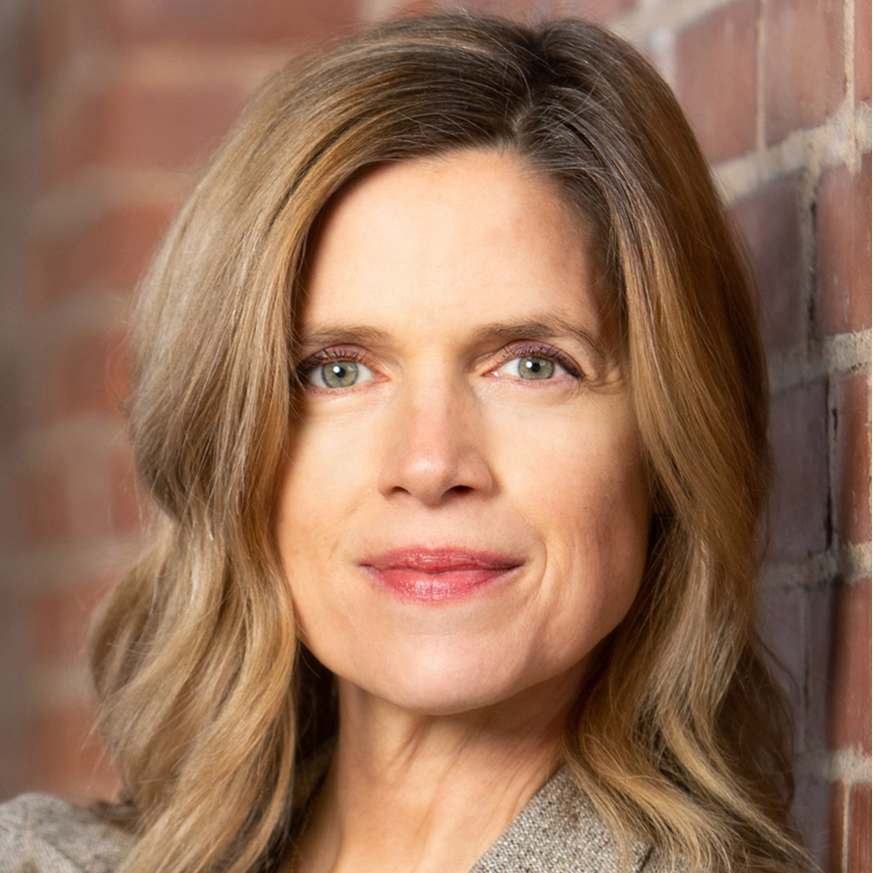
Polly LaBarre
In a world awash in profound change and at a time when everything is on the table, Polly LaBarre helps leaders make sense of and creatively respond to the forces buffeting their organizations. A bestselling author, speaker, and thinker who’s advised top global organizations, Polly’s mission for the past 20 years has been to make every kind of organization fundamentally more resilient, innovative and inspiring. Her insights embolden and equip leaders at every level to make a meaningful impact. Polly is an inspiring and provocative voice on the big ideas and important questions that will shape the future of organizations, work, and collective progress. Polly’s work is driven by three core questions: 1) How do we support human flourishing? 2) How do we cultivate the audacity of imagination required to tackle our most intractable problems? 3) And, how do organizations and individuals change how they change to become endlessly resilient?