Celeb Shot
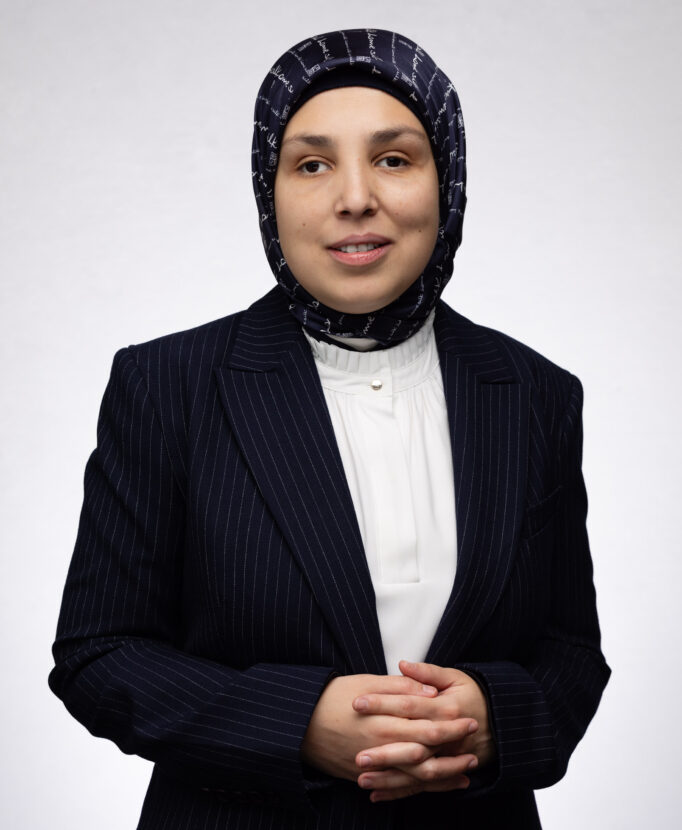
The Power of the Unknown: Embracing Authenticity for True Change
Sara Minkara shares powerful insights on embracing authenticity, challenging assumptions, and transforming societal narratives to unlock human potential.
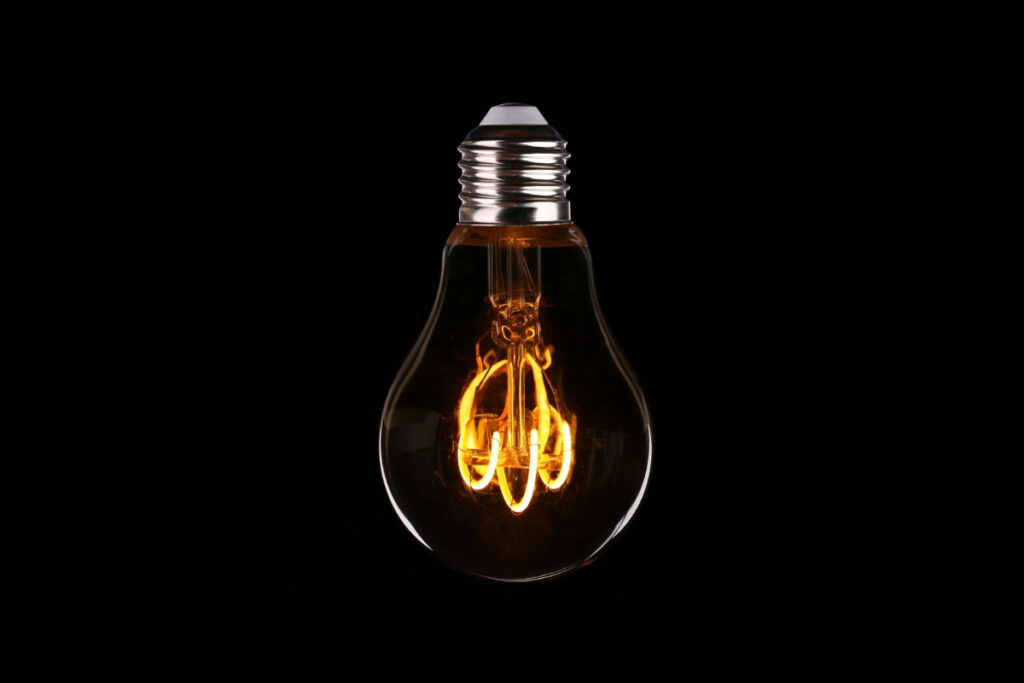
Imagine stepping into a space where you don’t know the room’s structure, who is present, or what they look like. Your mind searches for familiar labels, things you can use to box these people, to know who these people are in front of you. The usual cues—body language, facial expressions, visual labels—are absent. You are in the unknown.
In this “darkness,” you are left to embrace the unknown, take in what people tell you about themselves, actively listen, be curious about who they are, and only assume that this person has something beautiful to contribute. In this moment, something profound happens: the darkness shifts from a limitation to a form of enlightenment.
As a blind person, this is my life every day. I cannot see my surroundings, the people around me, or their visual labels. More importantly, I cannot see how people perceive me or their reactions. At times, this can be deeply uncomfortable. But when I push past that discomfort, it becomes my most significant asset; I am free. My blindness gives me the privilege to fully be my authentic self, unrestrained by the weight of societal expectations. Whether as a diplomat, a speaker, or a facilitator, I enter each interaction with an openness that allows for deeper, more meaningful connections.
I was once told, “Any room you enter, you will likely be the only blind, hijabi Muslim woman. And with those labels come automatic assumptions.”
This statement helped shape my journey and theory of change. How much do we allow these narratives to impact how we see ourselves? How much do we tailor our behavior based on society’s perception? How often do we silence our authentic voices out of fear of how we will be perceived? How much have we hindered others’ ability to bring their true selves forward?
When I enter a room, I know that assumptions will be made—about my blindness, my hijab, my Arab origins, and my gender. Moments when people questioned whether I could represent the U.S. as a government official, assuming my hijab and ethnicity made me an outsider; moments when my blindness was viewed as a limitation to my leadership, seeing me as less than. It took time and constant reflection to not let society’s assumptions about my labels impact how I see myself.
We are all on this journey, whether we realize it or not. Every person has been shaped by societal narratives and have contributed to shaping them—whether about gender, race, disability, status, or background. You might think I know myself fully. I am not impacted by others. I do not contribute to isms. But is that really true?
My approach to understanding how narratives shape us, how we embrace ourselves, and how we are part of creating narratives that impact others is as follows:
- Embrace Curiosity Through a Lens of Compassion: How many times do we meet someone new and assume who this person is, what their experiences are, and what they have to offer? We do this pretty often, on a daily basis, in fact. What if, when we meet someone for the first time, we ask them a simple question, “Who are you? What’s your story?” Get to know them as a person, free from preconceived notions. That curiosity should have no assumptions attached to it; it should allow space for that person to bring their authentic self forward and, at the same time, for each of us to reflect on our authenticity. Recognize that as humans, we instinctively label; with those labels come learned assumptions. Instead of allowing these assumptions to define our interactions, we should explore them with openness and compassion, not empathy; we are not looking to put ourselves in anyone’s shoes but instead create a space where people can bring their authentic voice, story, and experience.
- Understand Narratives: By understanding how narratives shape our identities and how they have influenced our perception of ourselves and others, we get to a better understanding of authentic voices. By examining how narratives are created and internalized, we can reclaim our authentic selves and bring out our true voices and values.
- Engage in Difficult Conversations: Oftentimes, examining these narratives leads to discomfort. However, change will never happen if we avoid difficult conversations. Progress requires everyone’s authentic voices to be at the table, questioning assumptions and engaging in uncomfortable, honest dialogue.
- Build Shared Responsibility: When we have open and difficult dialogue and practice curiosity through a lens of compassion, we see our shared humanity. We have all been shaped by imposed narratives, yet we all seek to be seen, heard, and valued. True community transcends identity and status, shifting responsibility from individuals to a collective effort. Change happens when we recognize that it is all our collective responsibility.
- Unlock Human Potential: At the core of change lies authenticity, difficult conversations, curiosity through compassion, and collective effort. When these principles guide us, we unlock unseen value that has been cast aside because of our assumptions; doing so drives innovation and creates lasting, systemic progress.
Together, let’s break down assumptions so that everyone is seen, heard, and truly valued.
Events aren’t easy, but working with WSB is. WSB works with thousands of respected influencers, thought leaders, and speakers each year and our experienced sales team is committed to the success of your event. For more diversity and inclusion speaker ideas, please contact us.