
Wendy Edelberg
Wendy Edelberg on What We Learned From the US Economic Response to COVID-19
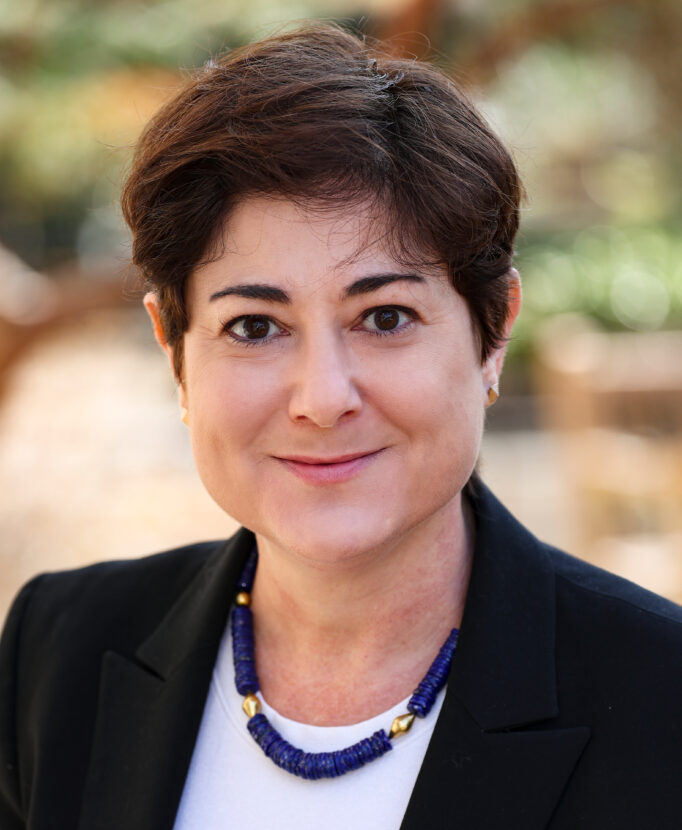
Keynote Speaker
Nonresident Senior Fellow at Brookings
Wendy Edelberg is adept at breaking down the most important macroeconomic issues of the day for a range of audiences. The influence of her research has spanned the worlds of policymaking to finance. It can be found in Congressional testimony, top economic journals, and the New York Times Op-Ed pages – and places in between.
Wendy Edelberg's speaking fee: Under $25,000
Wendy Edelberg is a macroeconomist with significant knowledge of fiscal and monetary policy who can break down the most important economic issues of the day for any audience. She is a University of Chicago-trained economist with a unique background. She has worked at the Federal Reserve Board, the White House, under both President George W. Bush and President Barack Obama, the Congressional Budget Office, and now the Brookings Institution. Edelberg was also the Executive Director of the Congressional Commission in charge of determining the causes of the Global Financial Crisis (which produced a New York Times bestselling book under her leadership).
Most recently, she has done research on the effects of policies related to immigration, tariffs, deficits, and the labor market. Edelberg is able to meet audiences where they are, whether digging into technical aspects of economic analysis or working to understand where policymaking, politics, and economics intersect.
Wendy Edelberg on Keeping Politics Out of Monetary Policy
Wendy Edelberg on the Economic Impact of Deportation Policies
Wendy Edelberg on Federal Spending
Wendy Edelberg on the Importance of Tax Reform
Wendy Edelberg on What We Learned From the US Economic Response to COVID-19
Wendy Edelberg on What We Learned From the US Economic Response to COVID-19
Wendy Edelberg explores how the U.S. federal debt stands close to a historically high 100% of GDP and is projected to rise steadily. Warnings that rising debt will lead to fiscal crisis and economic catastrophe are widespread. Still, rather than sparking a crisis, increases in federal debt will likely manifest as a slow and steady erosion of our capital stock and national wealth that will ultimately impair living standards. The real risk of a fiscal crisis rests not with the steady rise in borrowing, but with political missteps that unnerve financial markets.
Wendy Edelberg explores the impacts of the abrupt slowdown in immigration and how it affects the U.S. economy and labor market. President Trump’s immigration policy will slow consumer spending and GDP growth in the near term and make for a smaller economy in the long term. The policy will have outsized effects on the labor market. The U.S. is likely going to see very weak employment growth for the next couple of years.
President Trump’s tariff policies increase profits for certain domestic industries but raise input costs and inflation more broadly. Aside from those effects, perhaps the more significant effect is from trade policy uncertainty. Wendy Edelberg explains how the survey evidence suggests that any plans for increases in investment are getting shelved. Investing in capital projects is exceedingly hard given so much policy uncertainty.
Tell us about your event and the speaker you are interested in booking and we will be in touch right away.