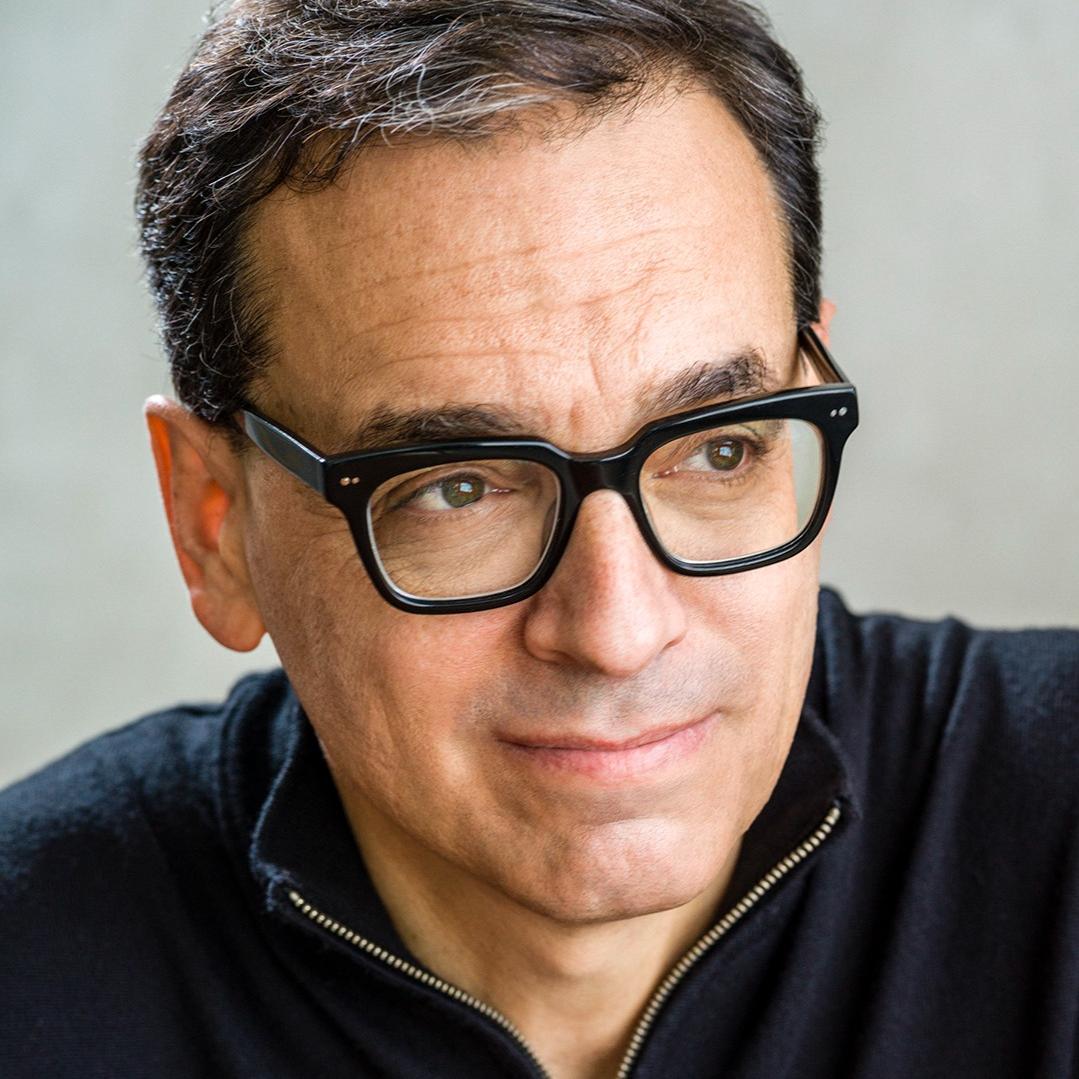
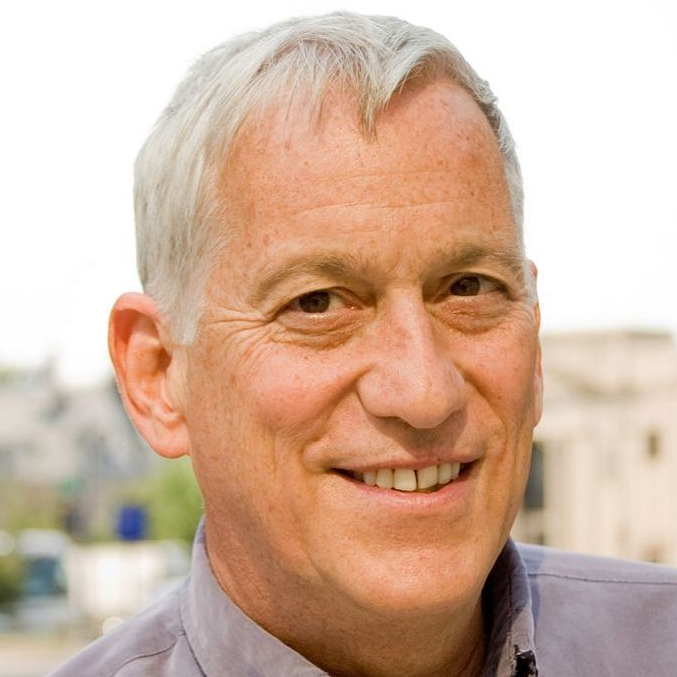
Urban Tech Fellow, Cornell Tech; Senior Fellow, MIT Future Urban Collectives Lab; Non-Resident Senior Fellow, Atlantic Council; Futurist, Threatcasting.ai; Author of the international best-seller, Aerotropolis: The Way We’ll Live Next
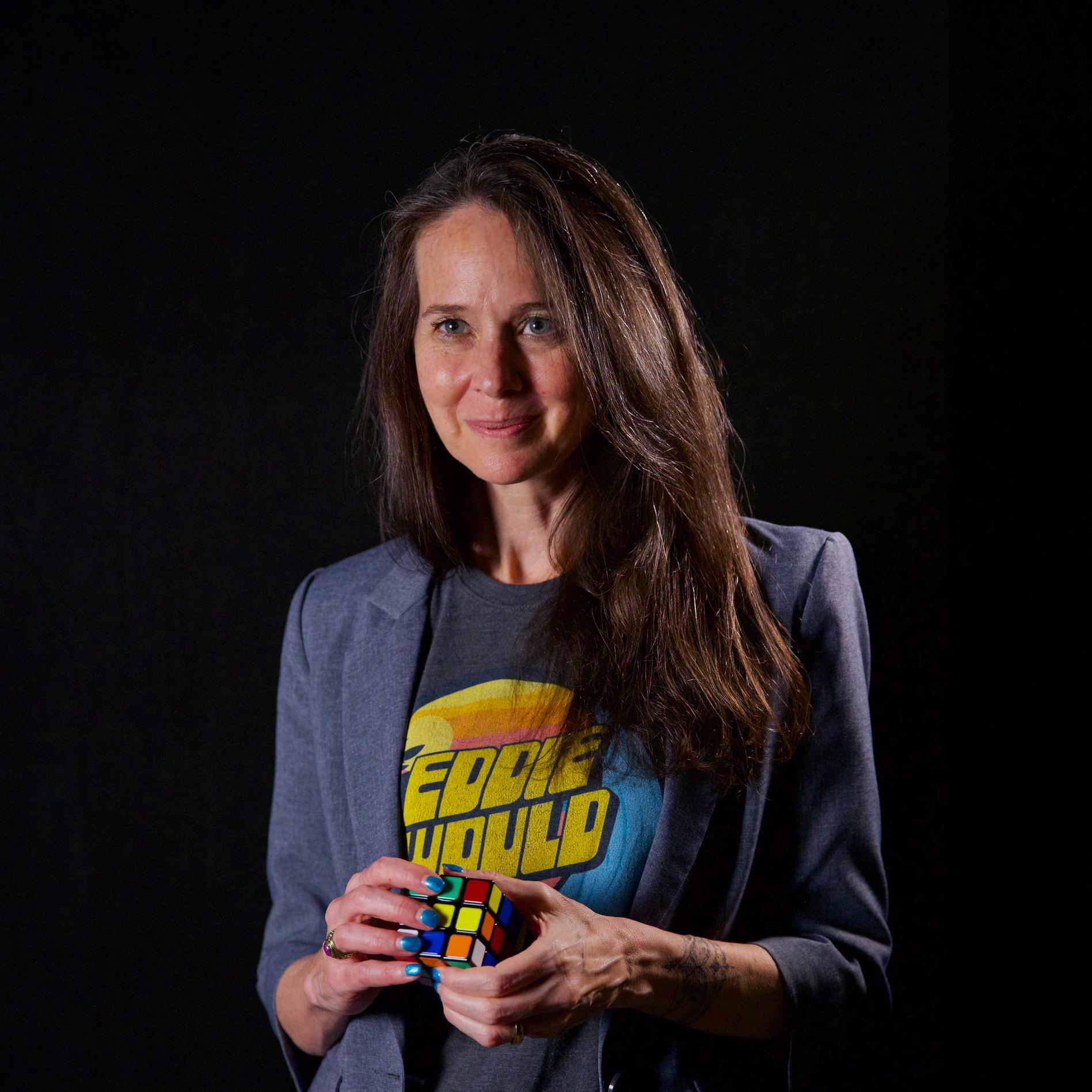
Greg thrills and inspires audiences with his fast-paced, high-energy tours of future urban- and technological landscapes, highlighting various threats and opportunities posed by AI, climate change, and our basic human need to be together. He weaves insights gleaned from his work with place makers, technologists, mayors, AI experts, security professionals, and others to explore the ways we’ll live next in an era of exponential abundance matched by the ever-present potential for catastrophe.
Greg Lindsay is a generalist, urbanist, and futurist. He is a non-resident senior fellow of MIT’s Future Urban Collectives Lab, Arizona State University’s Threatcasting Lab, and the Atlantic Council’s Scowcroft Center for Strategy and Security. He was the founding chief communications officer of AlphaGeo, where he remains a senior advisor. Most recently, he was a 2022-2023 urban tech fellow at Cornell Tech’s Jacobs Institute, where he explored the implications of AI and augmented reality at urban scale.
He’s been cited as an expert on the future of cities, technology, and mobility by The New York Times, The Washington Post, The Wall Street Journal, The Guardian, USA Today, CNN, NPR, and the BBC. He has advised Intel, Samsung, IKEA, Starbucks, Audi, Hyundai, Tishman Speyer, André Balazs Properties, Aldar, Emaar, and Expo 2020, and numerous G20 government entities, including the United States Secret Service and NATO. He was previously the urbanist-in-residence at URBAN-X — BMW MINI’s urban tech accelerator — the Director of Applied Research at NewCities, and founding director of strategy at its mobility-focused offshoot CoMotion.
Greg speaks frequently about cities, mobility, innovation, and globalization, including appearances at 10 Downing Street, the United States Military Academy, Sandia National Laboratories, the OECD, Harvard Business School, the MIT Media Lab, and the Aspen Ideas Festival. His work with Studio Gang Architects on the future of suburbia was displayed at New York’s Museum of Modern Art (MoMA) in 2012. His work has also been displayed at the 15th, 16th, and 17th Venice Architecture Biennales, the International Architecture Biennale Rotterdam, and Habitat III. He is co-author of the 2011 critically acclaimed international bestseller Aerotropolis: The Way We’ll Live Next.
Greg is a two-time Jeopardy! champion (and the only human to go undefeated against IBM’s Watson).
AI is eating the world. Americans are at home alone with their screens. And soon, drones will deliver everything. Is this the future… or dystopia? While new technologies fling us outward, amplified by services catering to our every whim, a countervailing desire for connection pulls us inward toward a new generation of hyper-flexible spaces. Offices become homes. Stores become fulfillment centers. Restaurants become “ghost kitchens.” And everything becomes a data center.
Meanwhile, AI and augmented reality promise to transform not just how we see cities, but how cities see us — raising urgent questions about privacy, agency, and reality itself. Looming above all is the expanding bullseye of climate risk, as Americans have moved en masse to the most vulnerable places just as insurance markets begin their retreat.
Drawing on his research and foresight work for MIT, Cornell Tech, and others, Greg Lindsay explores how AI and autonomy are colliding with the climate and community to reshape real estate and the built environment to decide the way we’ll live next.
Autonomous Everything: AI, the Future, and What We Can Do About It
The robots are coming — not to steal your job, but to invent entirely new ones. Recent advances in artificial intelligence, coupled with breakthroughs in robotics and automation, point toward an increasingly autonomous world in which agency and personality are embedded in nearly everything. Autonomy will not only transform how and why we work, but also how we think, discover, decide, and even deceive ourselves.
What we imagine and produce will take strange new turns as AI increasingly predicts, suggests, and persuades us to do it. In this wide-ranging and eye-opening talk, Greg Lindsay explores how autonomy is already upending society, and what we can learn from foresight work on behalf of Cornell Tech, NATO, the U.S. Army, and the U.S. Secret Service about what to do about it.
Where Will You Live in 2050?
Nearly half of Americans were victims of a climate disaster last year, whether fire, floods, heat waves, or hurricanes with insurable losses of more than $100 billion. As people wake up to the realities of climate change and the growing threat to their homes, livelihoods, and families, many are beginning to ask, “Where should I live someday?” Fortunately, we have answers. Combining climate science with demographics and using artificial intelligence, we can predict tomorrow’s more resilient regions. Climate change isn’t just a story about mounting catastrophes, but also opportunity — if we harness the right technologies, policies, and political will to build back better elsewhere. Drawing on his work with the startup Climate Alpha, Greg Lindsay offers cutting edge analysis and maps to explain why and where a warming world may still have shelter for us all.
How to Work, Together
After years apart, Americans have forgotten how to work together. This is evident in the ongoing tug-of-war over remote work versus in-person. But neither managers nor workers have stopped to ask how, why, and with whom we should be together.
If remote work proved that many of us can work from virtually anywhere, with anyone, what’s stopping us from taking it a step further and working with, well, everyone? Solving the challenges that lie ahead requires working together at a scale greater than any single organization.
Greg Lindsay explores new ways of being and working together after corporate silos have cracked open and frustrated employees have spilled out, desperate to reconnect. Drawing on historic examples such as Venice’s scuola grande and bleeding-edge “distributed autonomous organizations,” he offers audiences a vision of what it means to be together – how, why, and with whom – very soon.